Permaculture garden
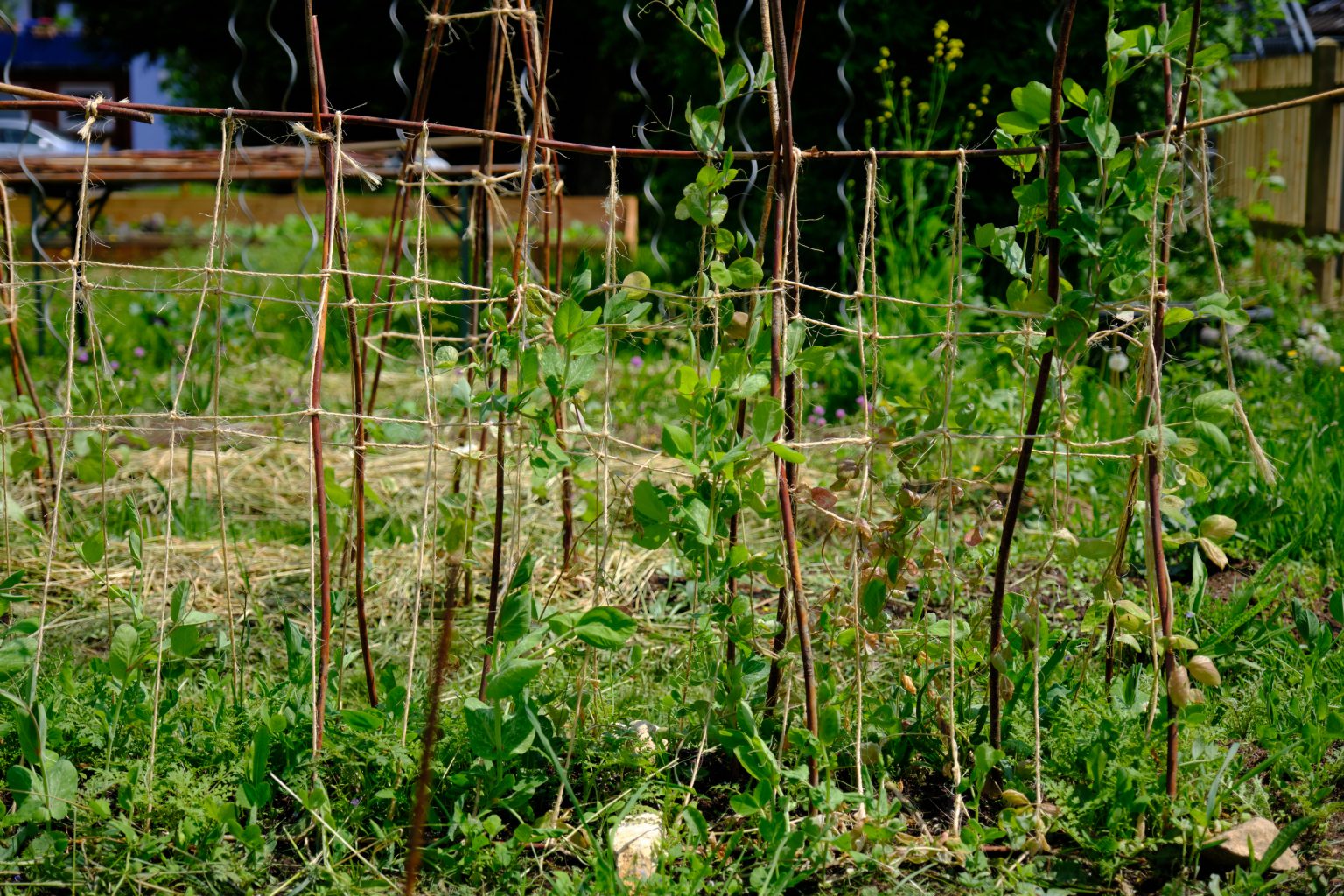
A long time ago, people probably just called it a “cottage garden.” It is made up of “permanent” and “agriculture.” It refers to a sustainable concept for agriculture and horticulture based on observing and mimicking natural ecosystems and cycles as closely as possible.

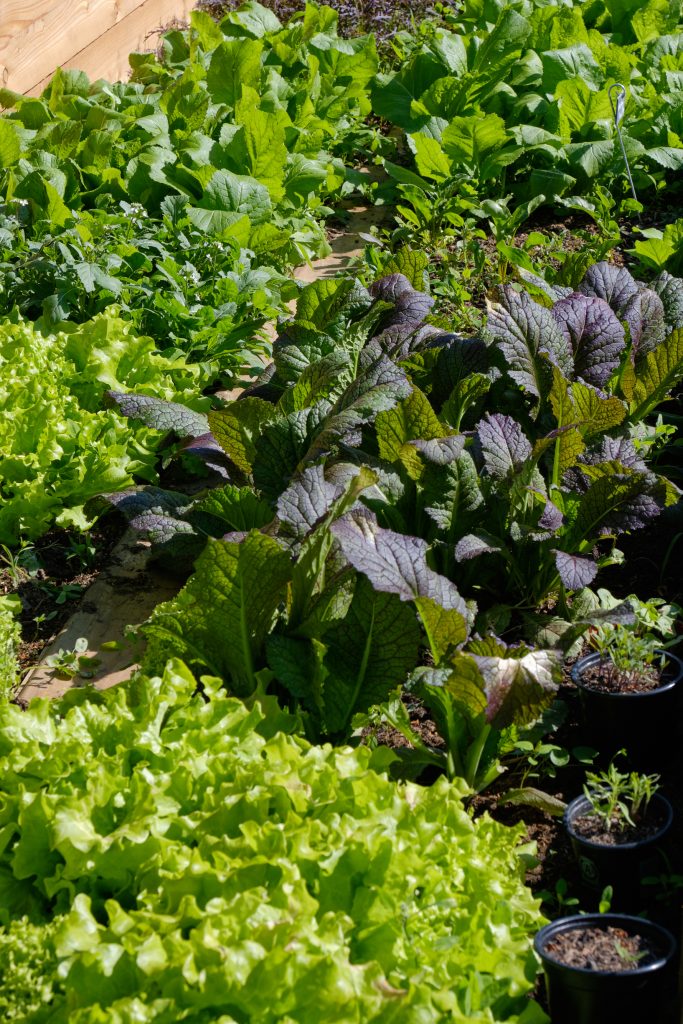
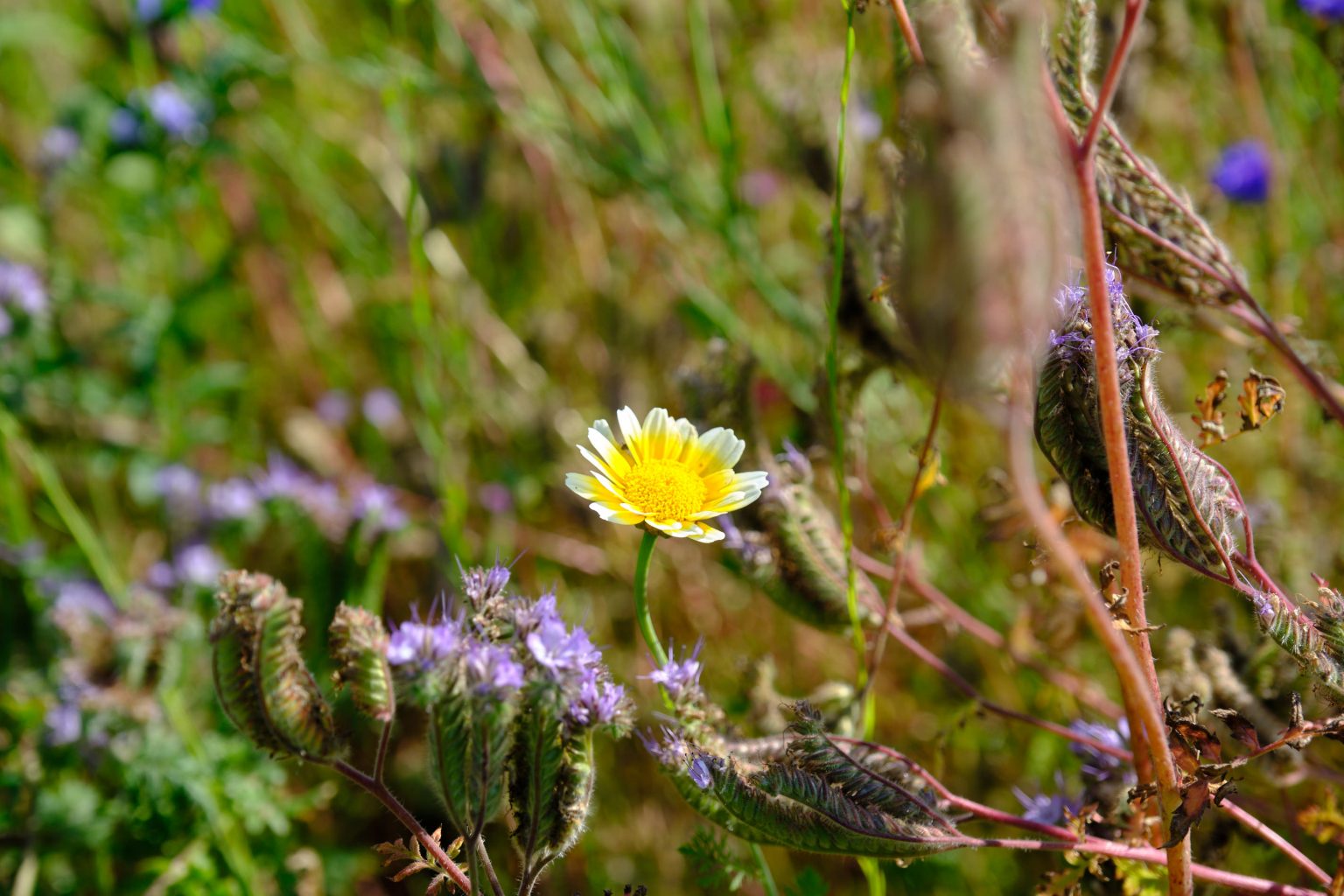
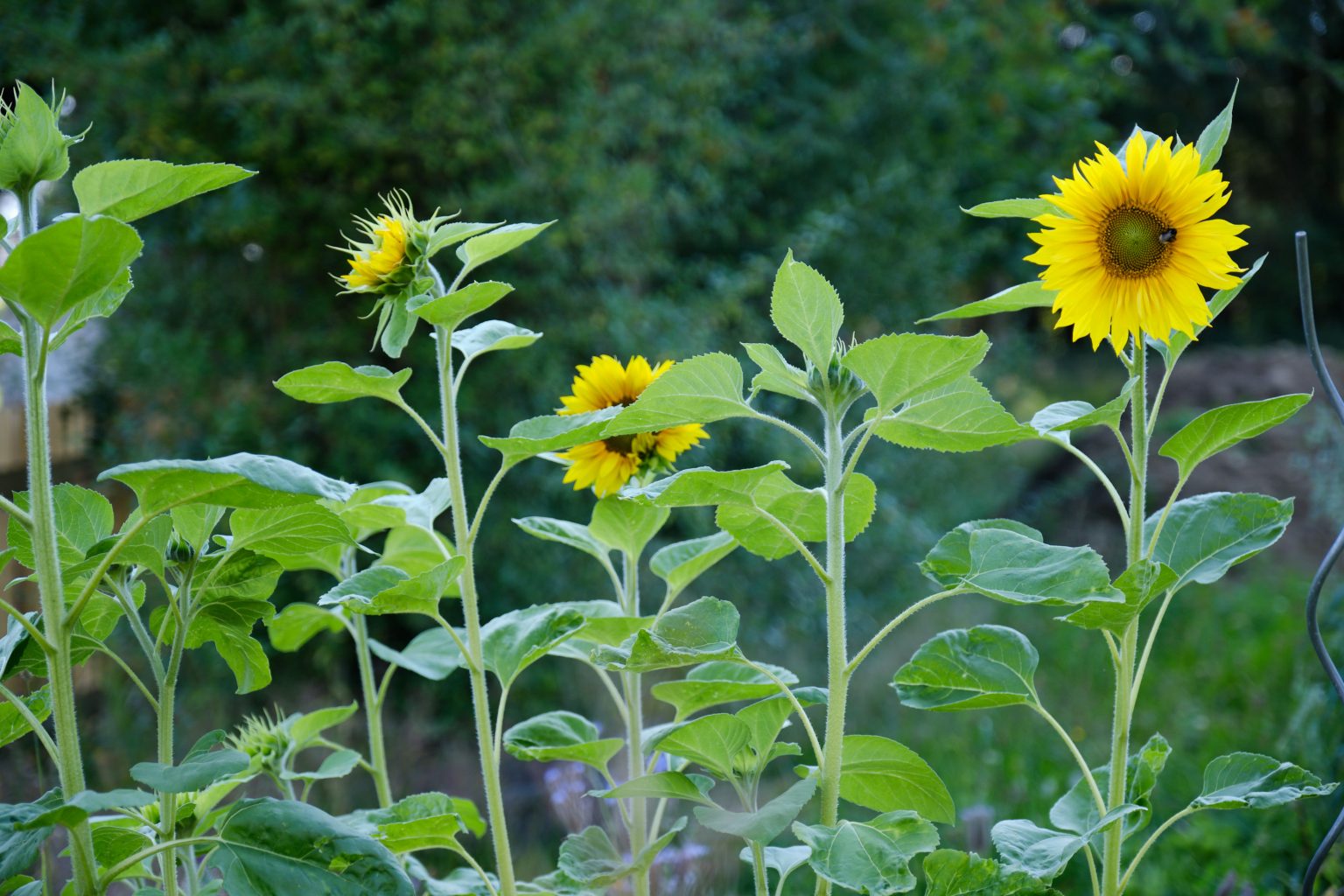
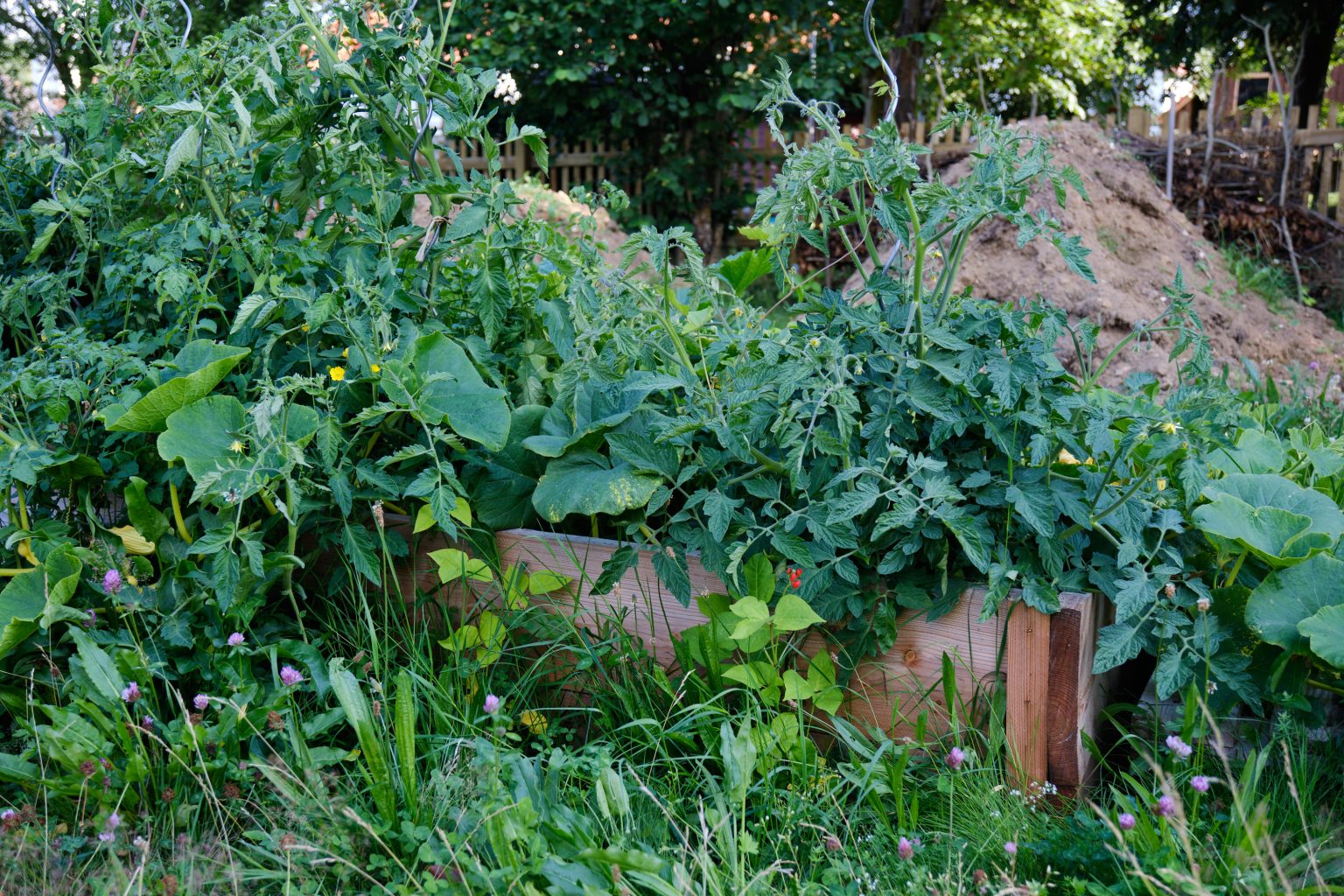
As a result, most permaculture gardens look wild.
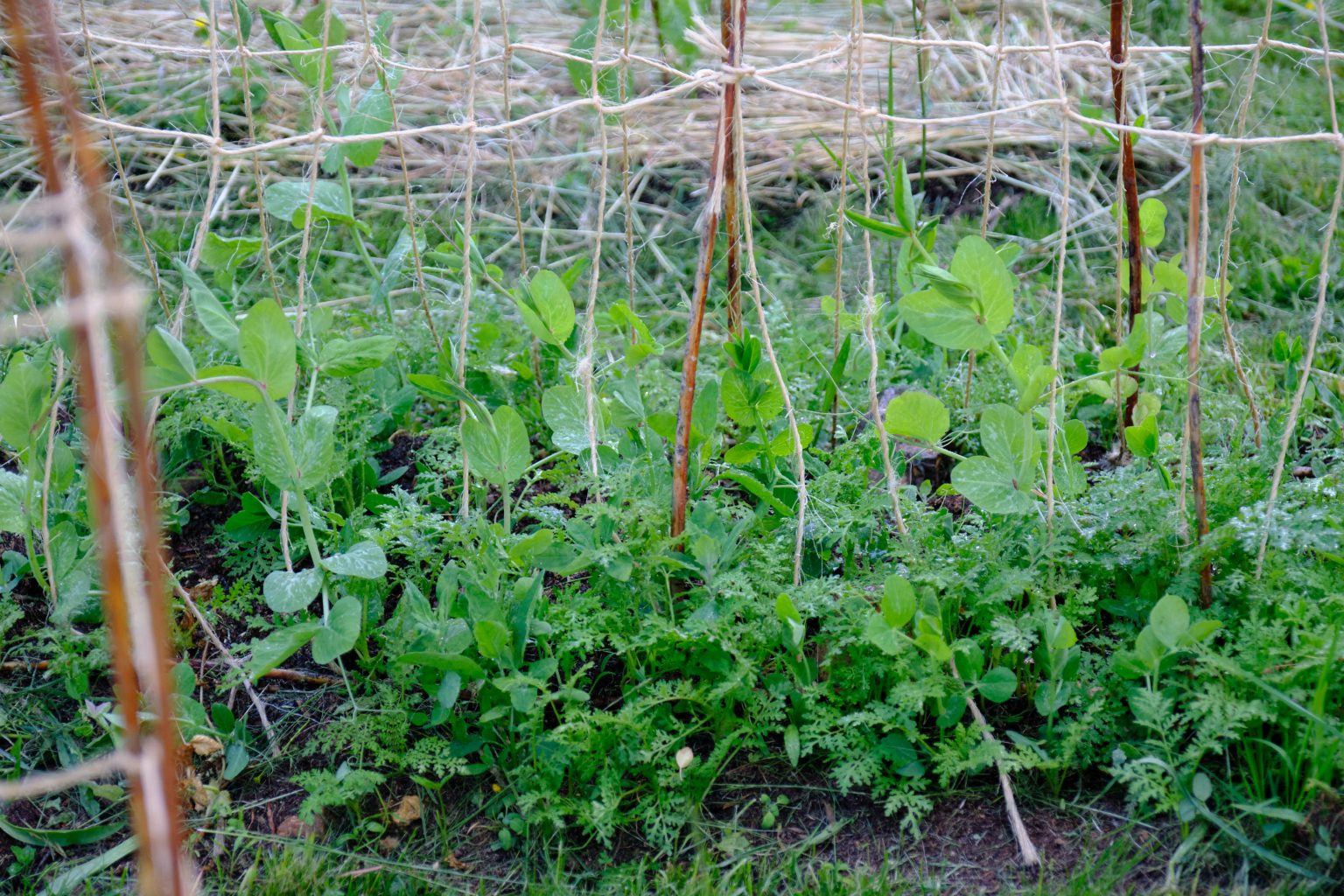
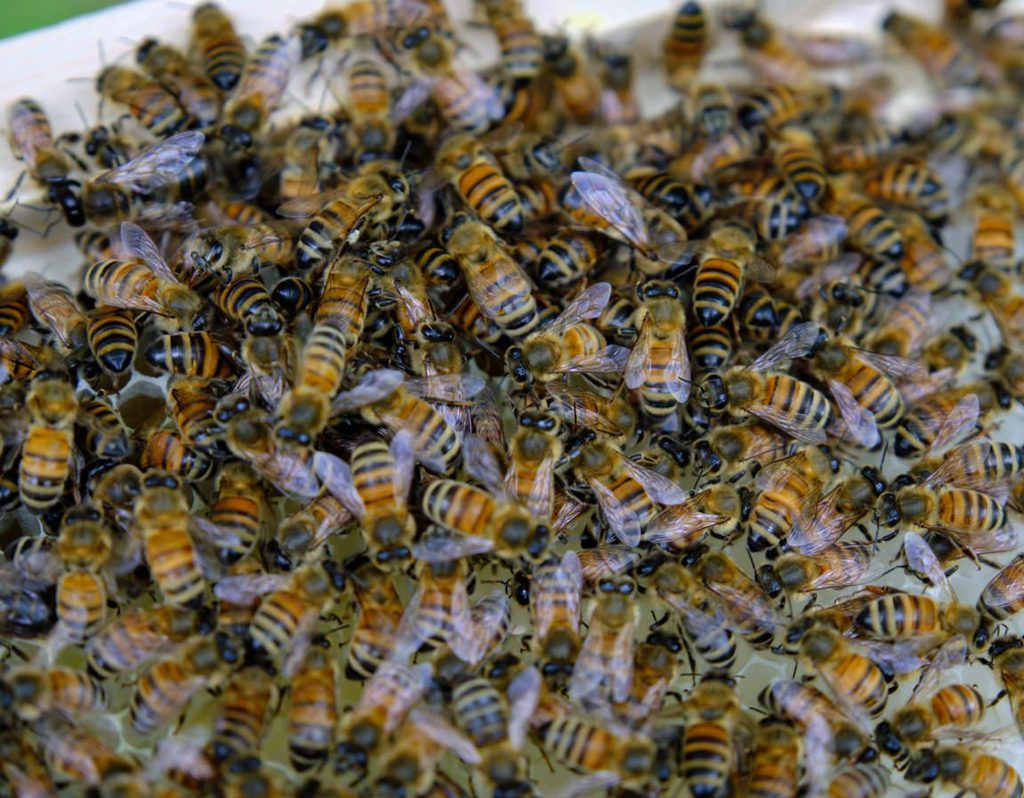
"As many different plants as possible are planted and much is left to nature itself to create habitats for animals, especially insects."
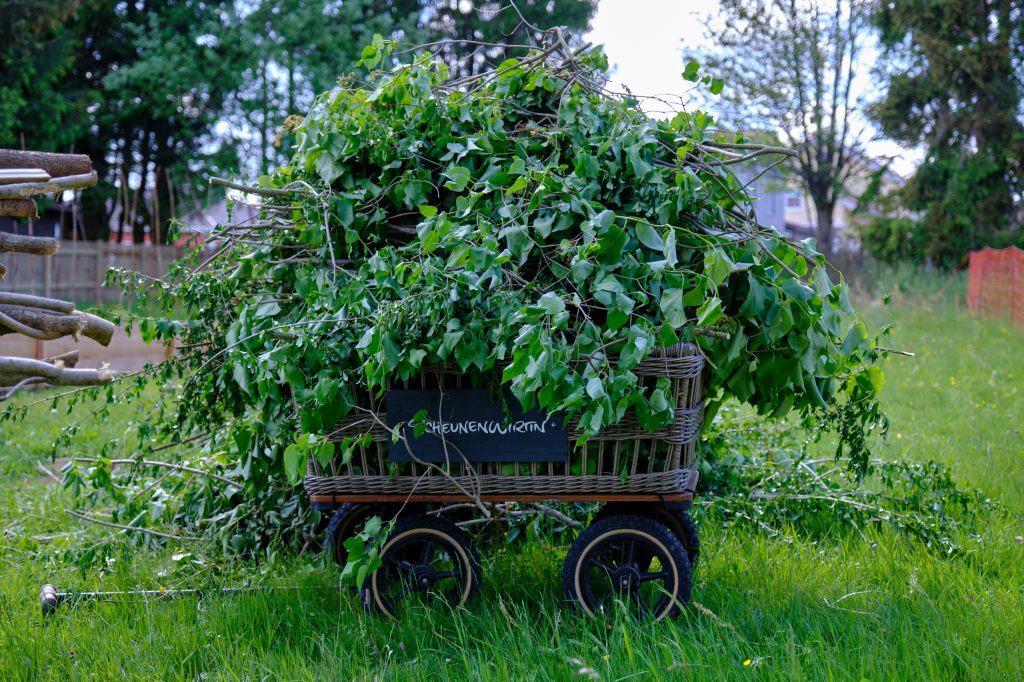
As many different plants as possible are planted and much is left to nature itself to create habitats for animals, especially insects.
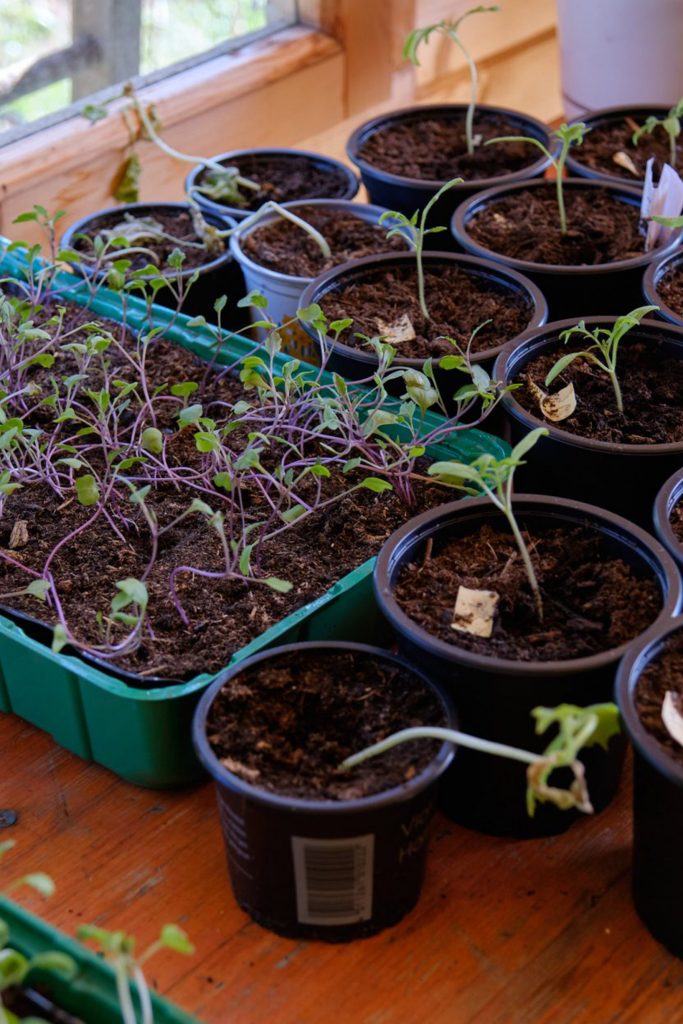
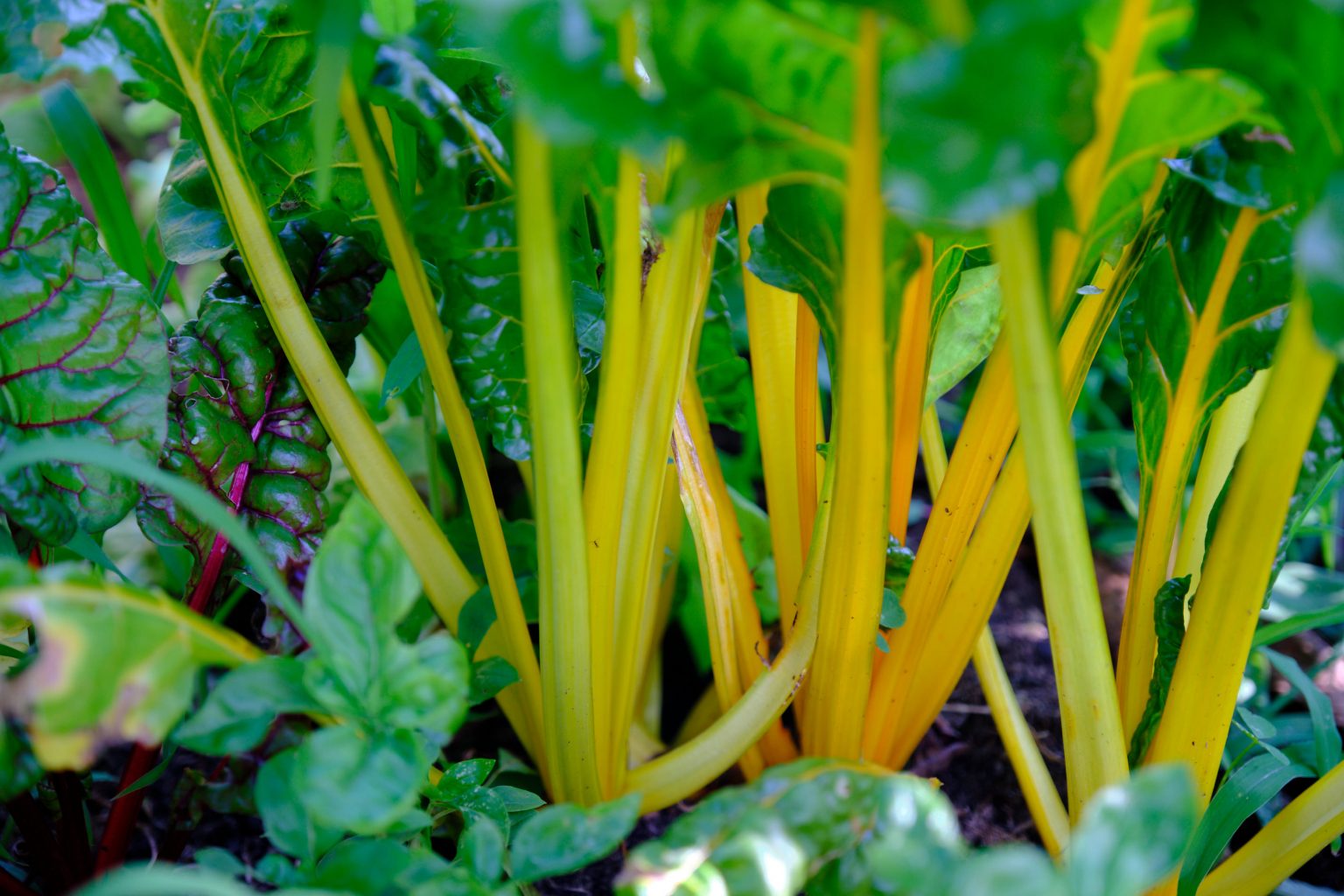
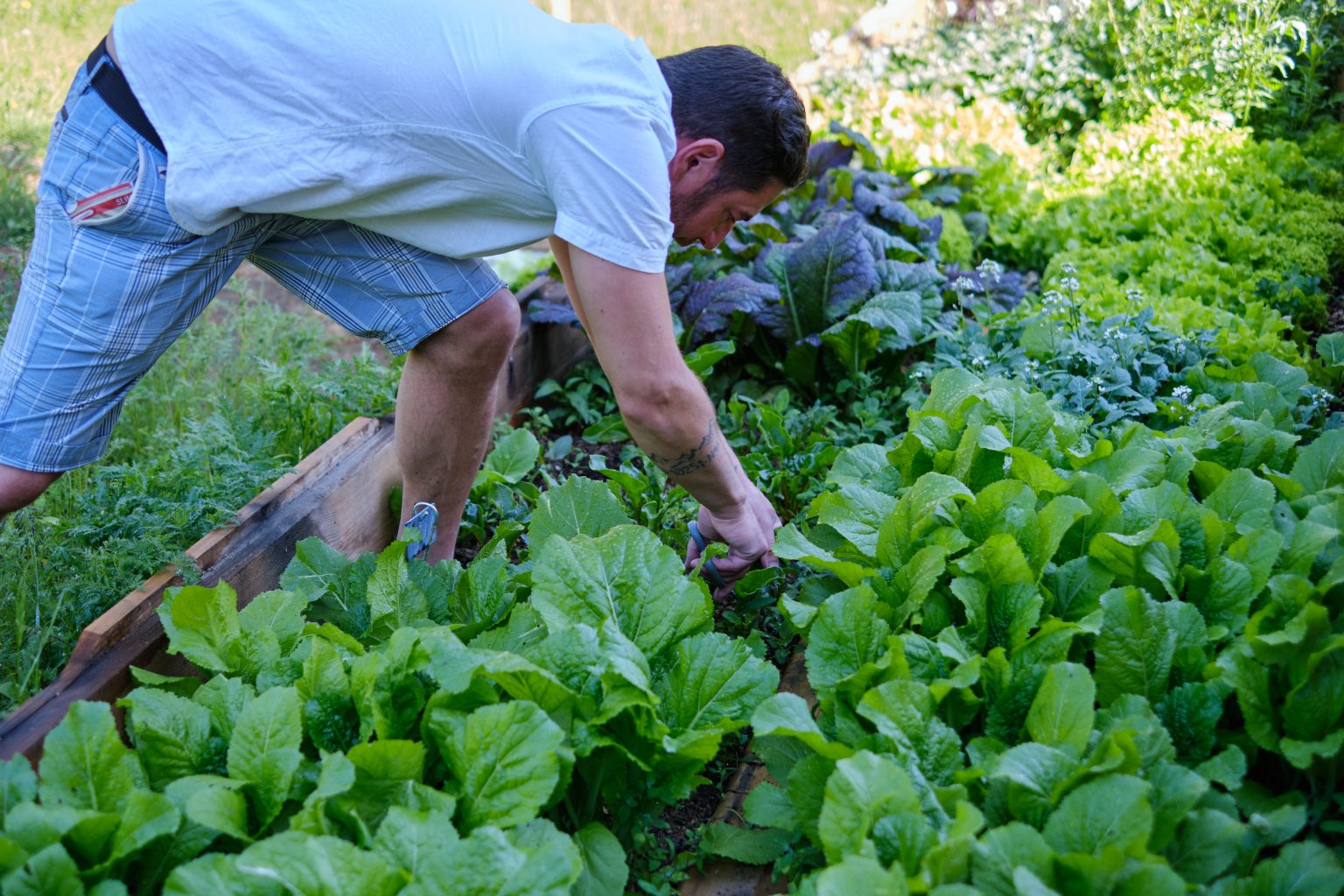
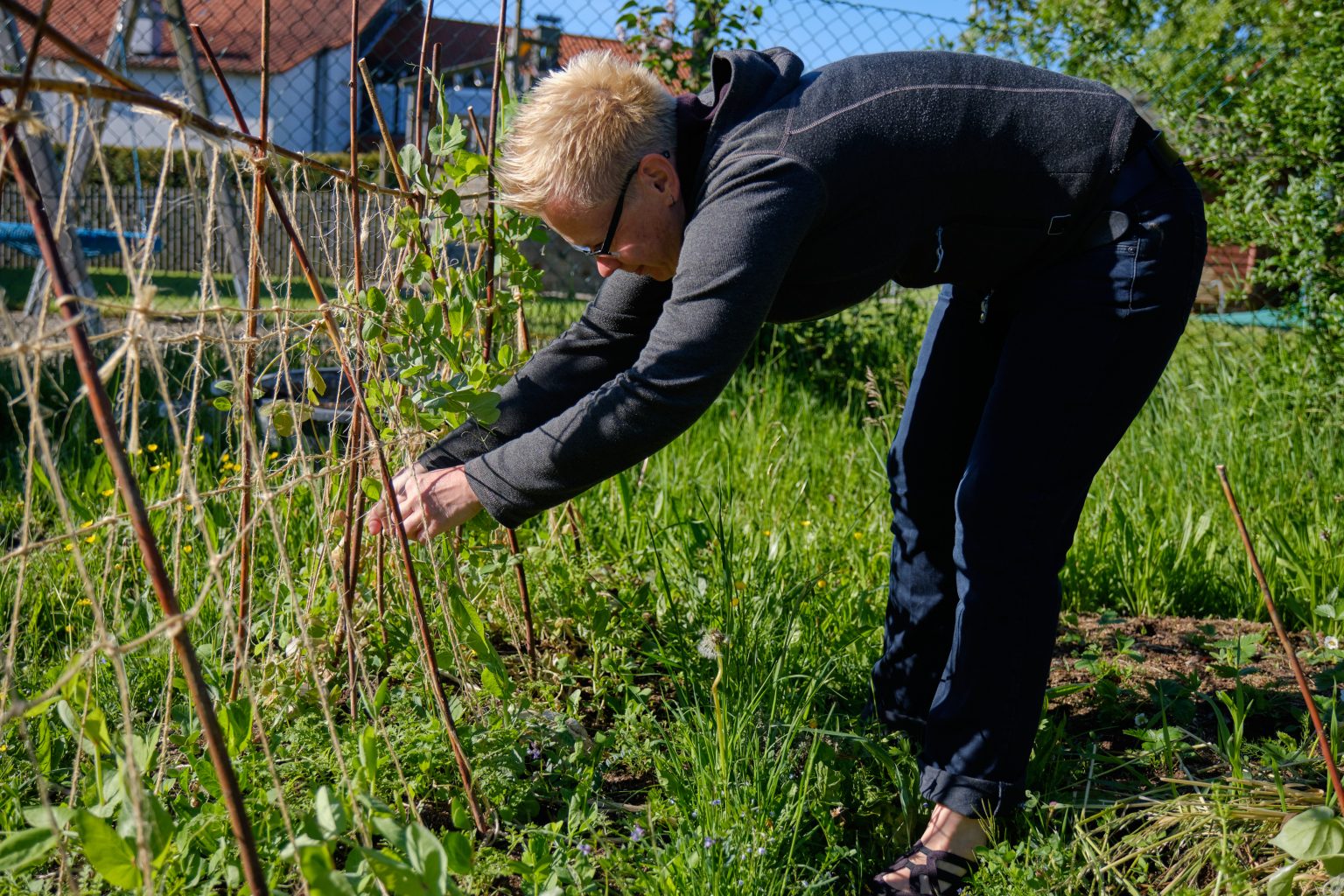
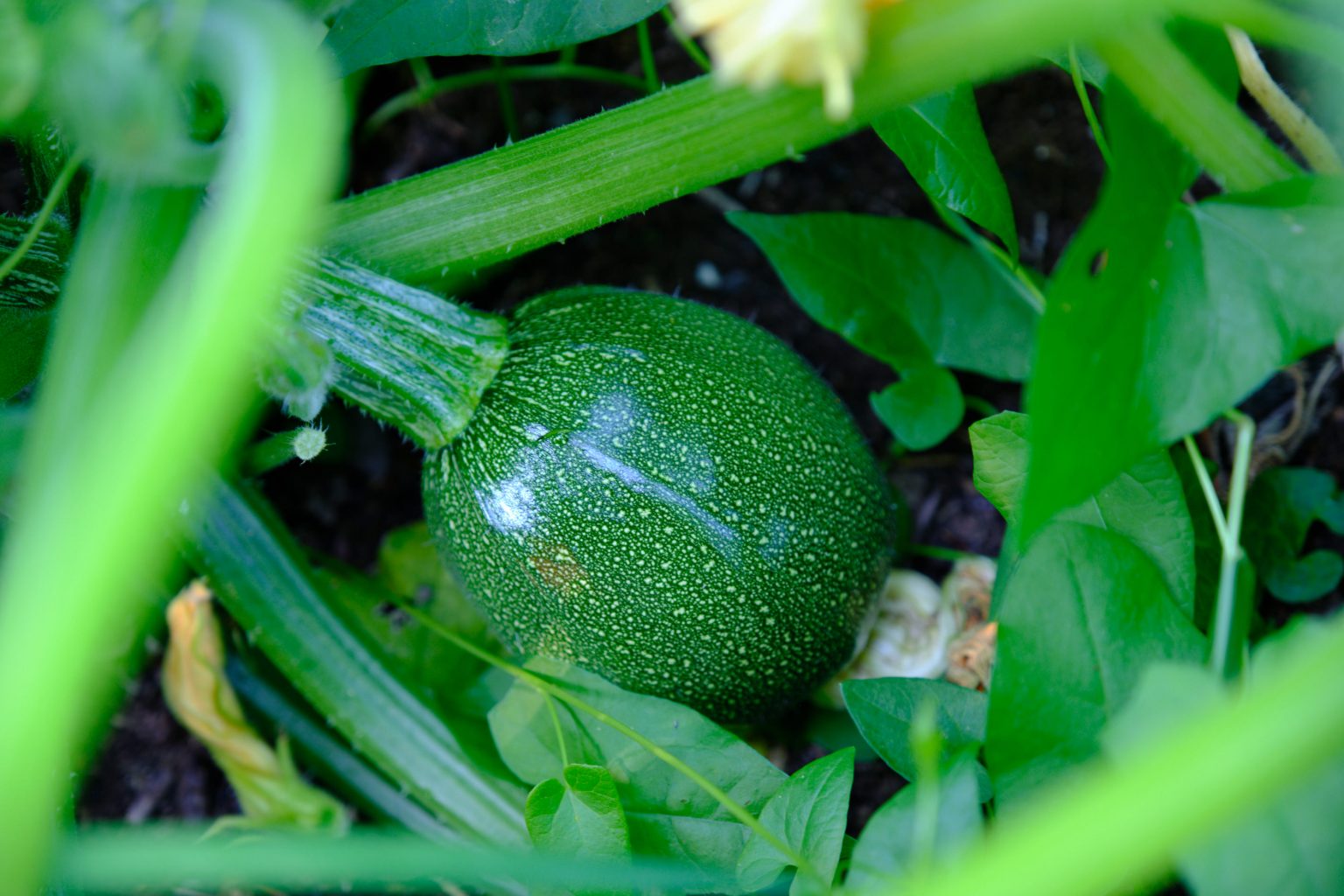
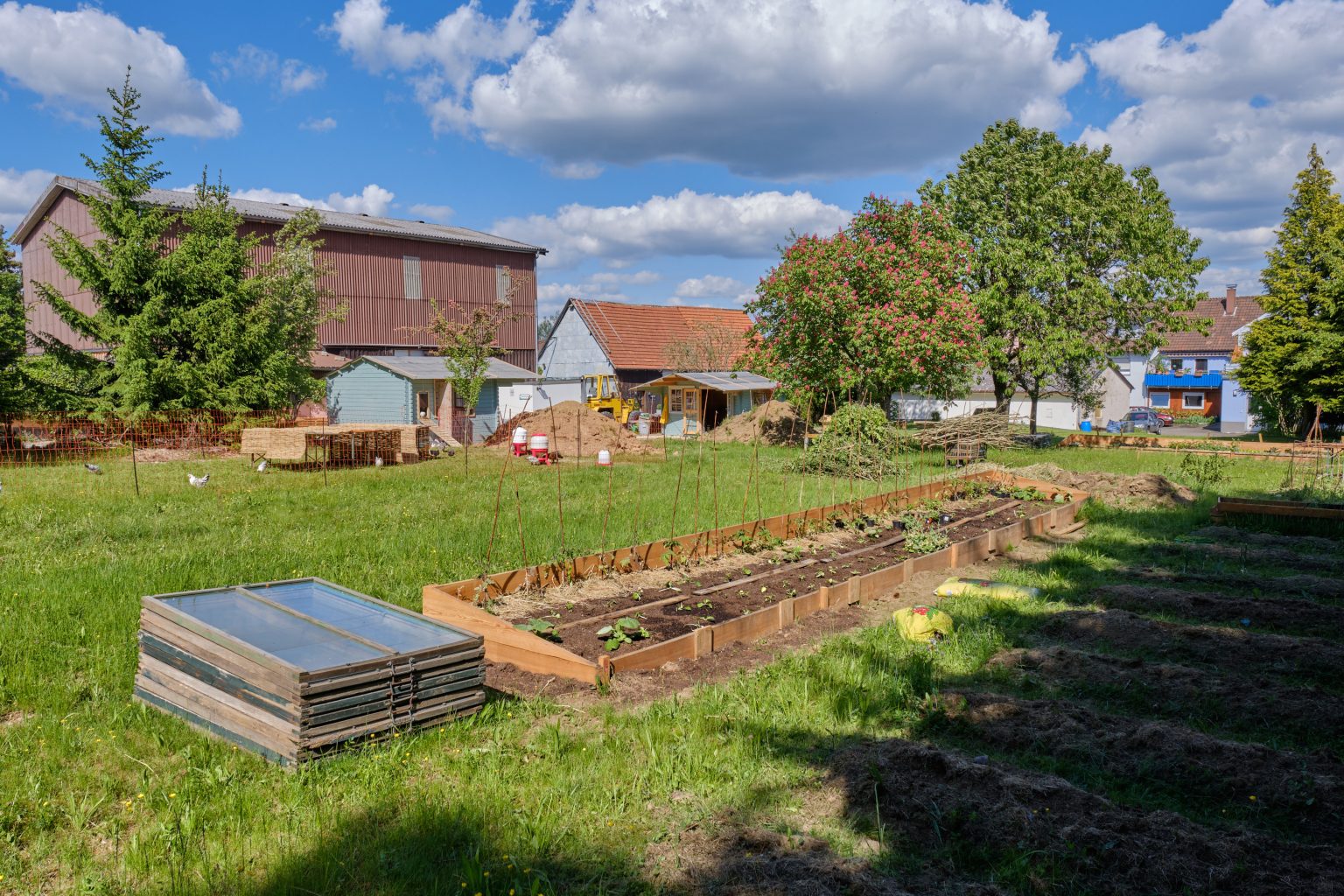
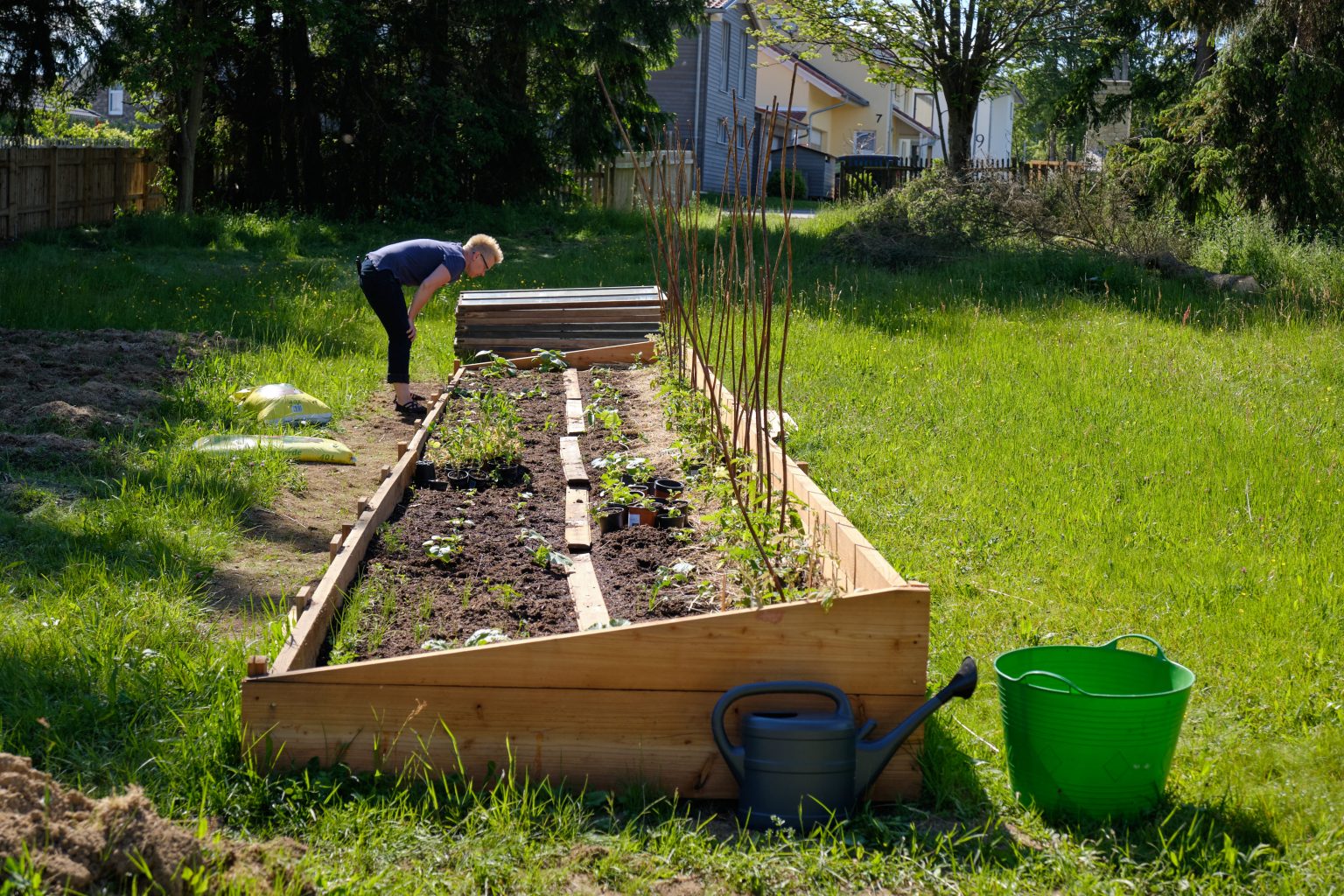
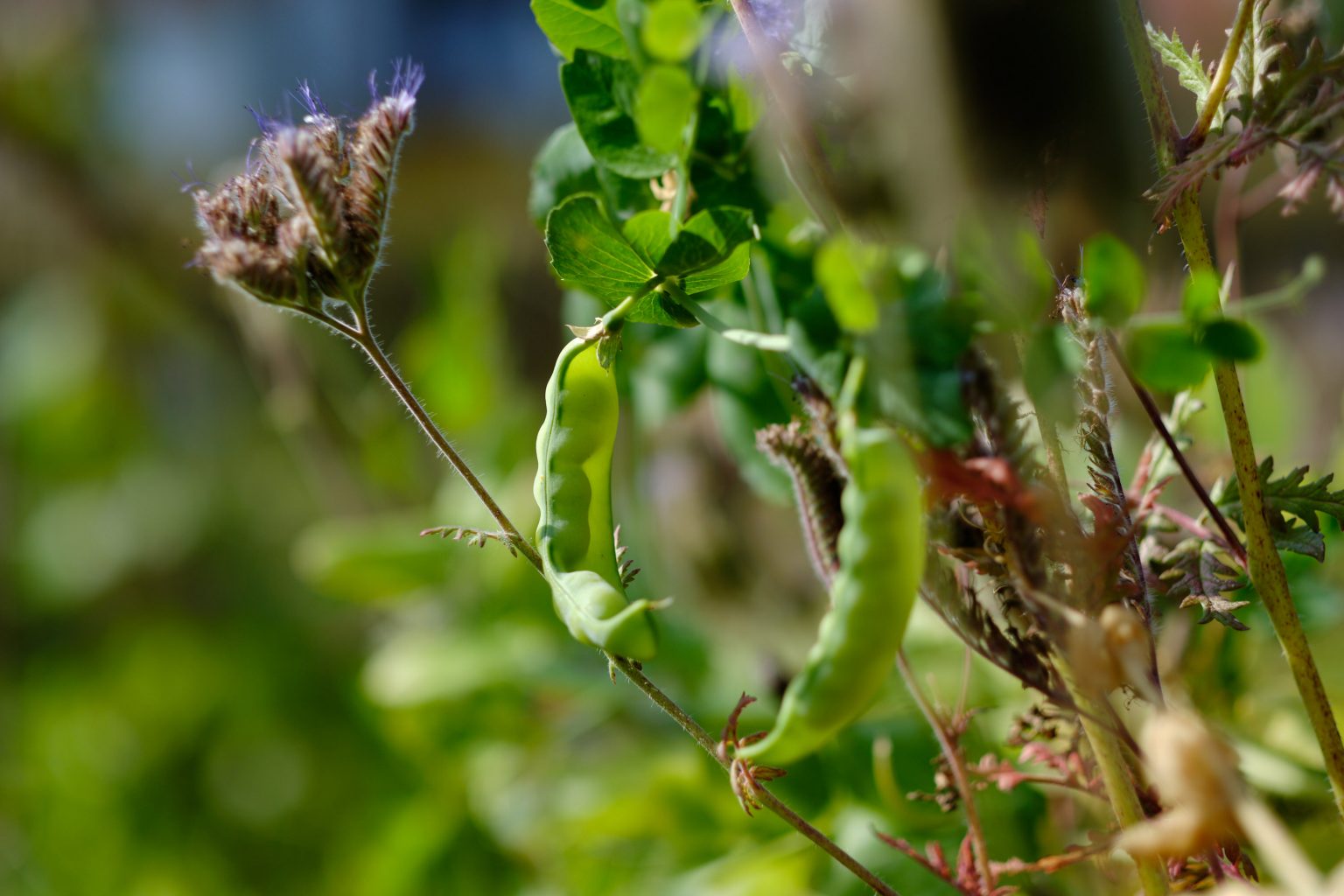
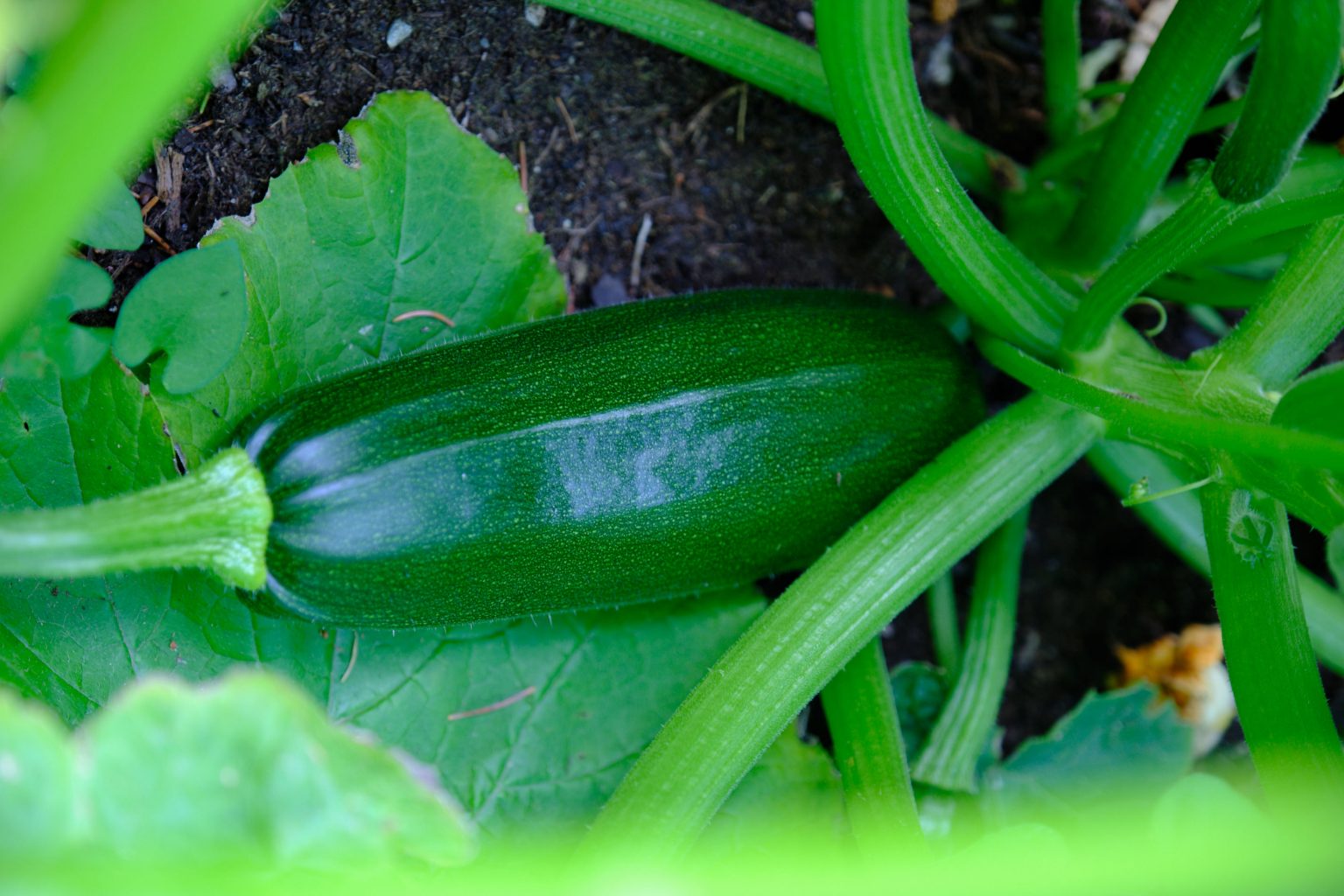
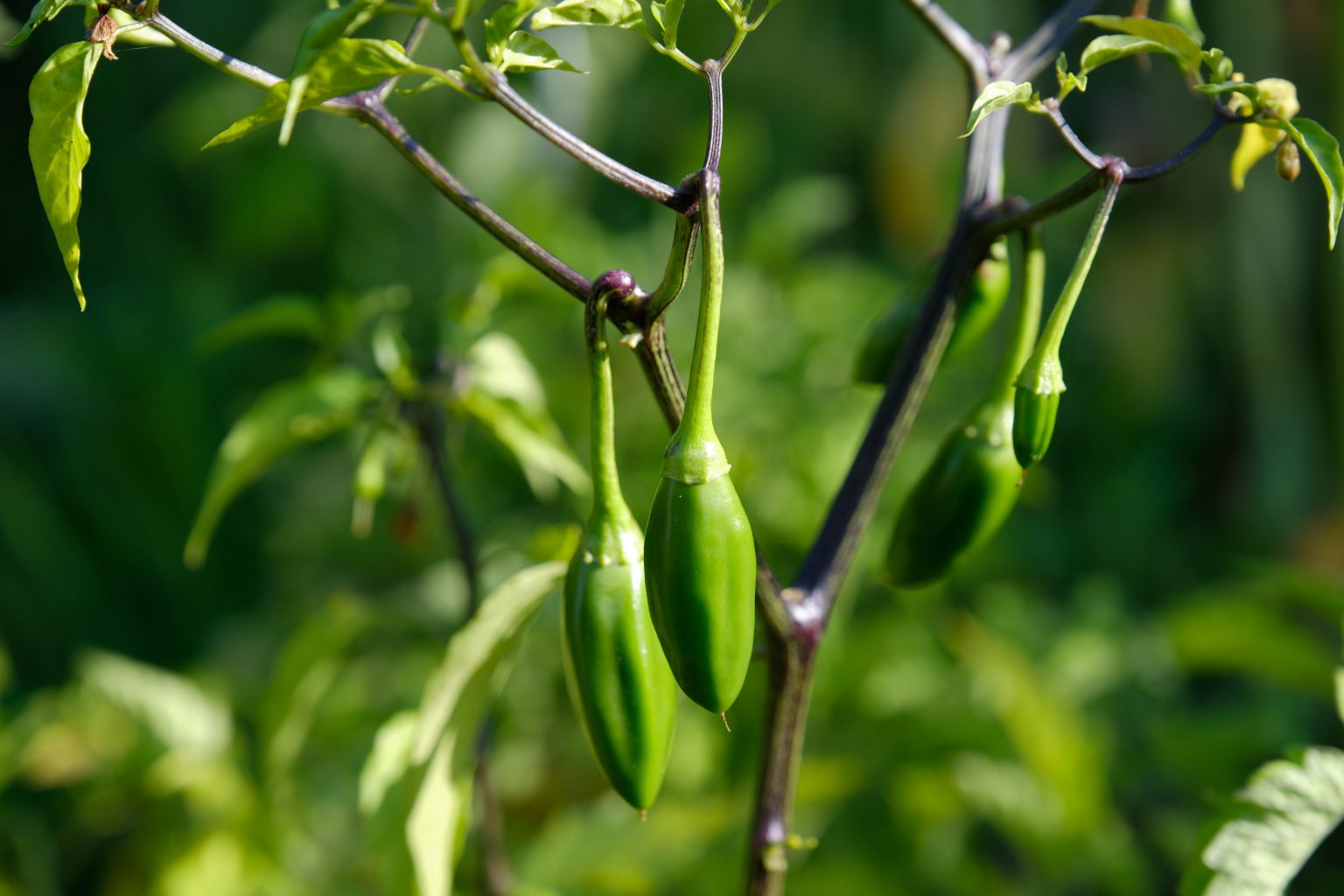
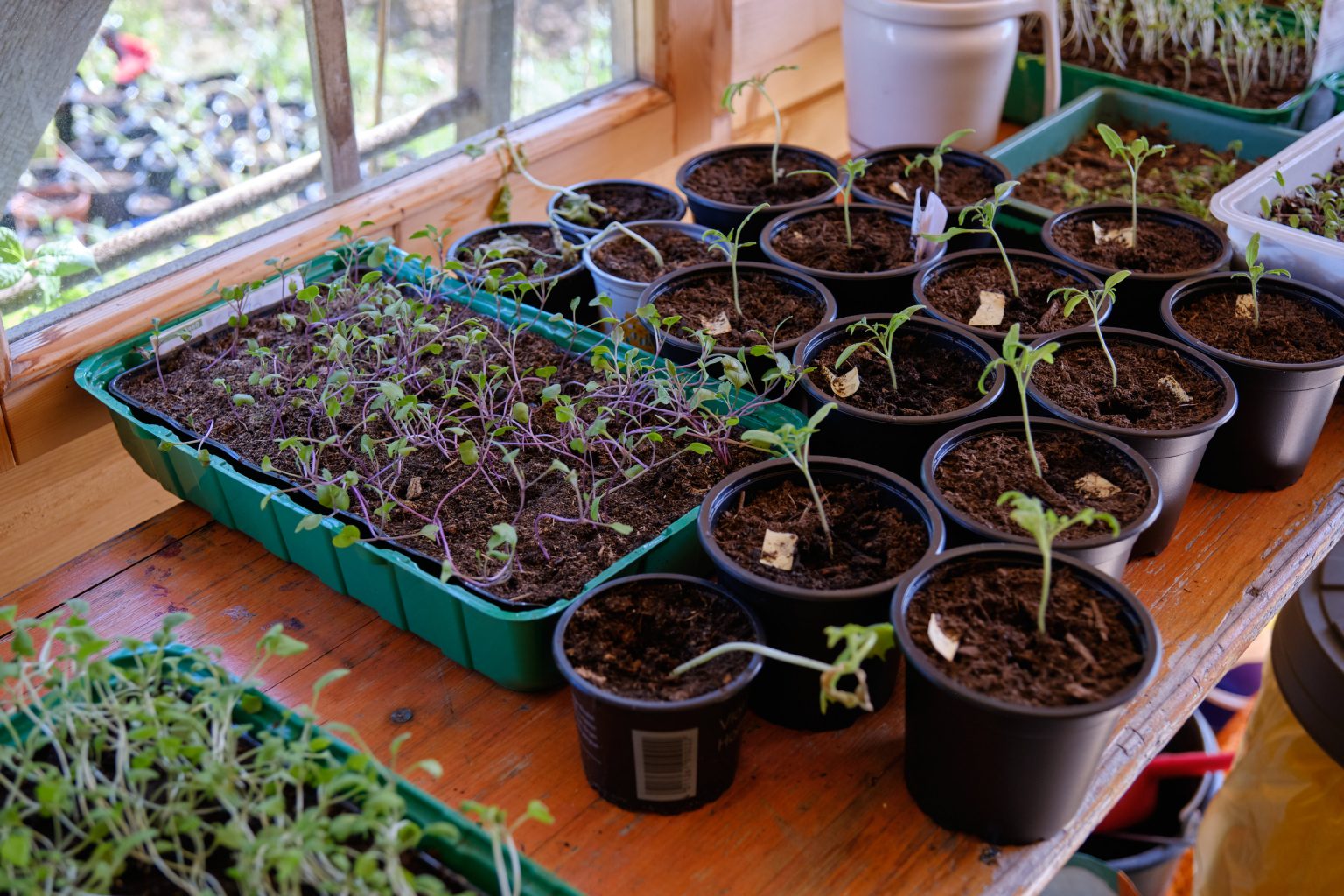
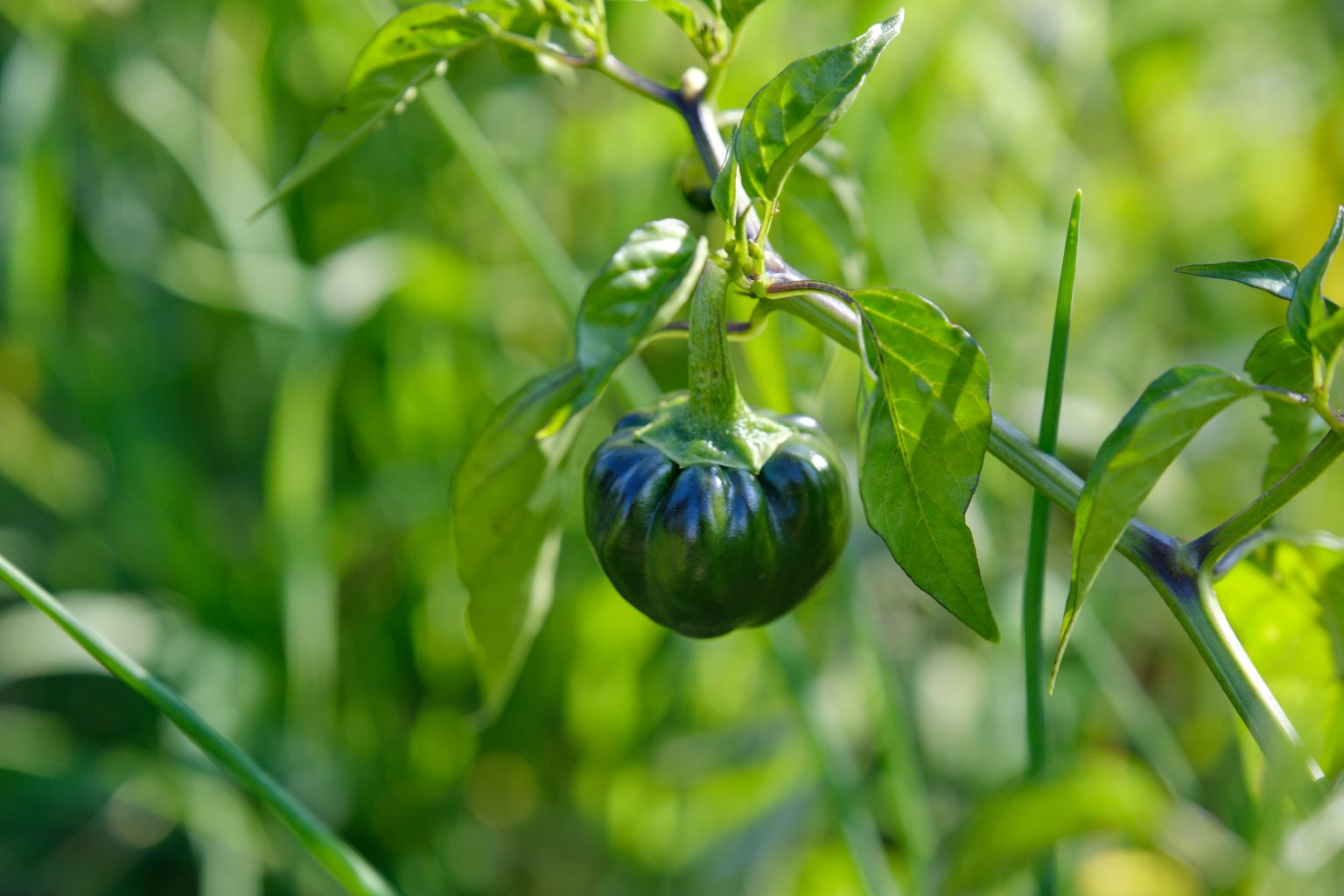
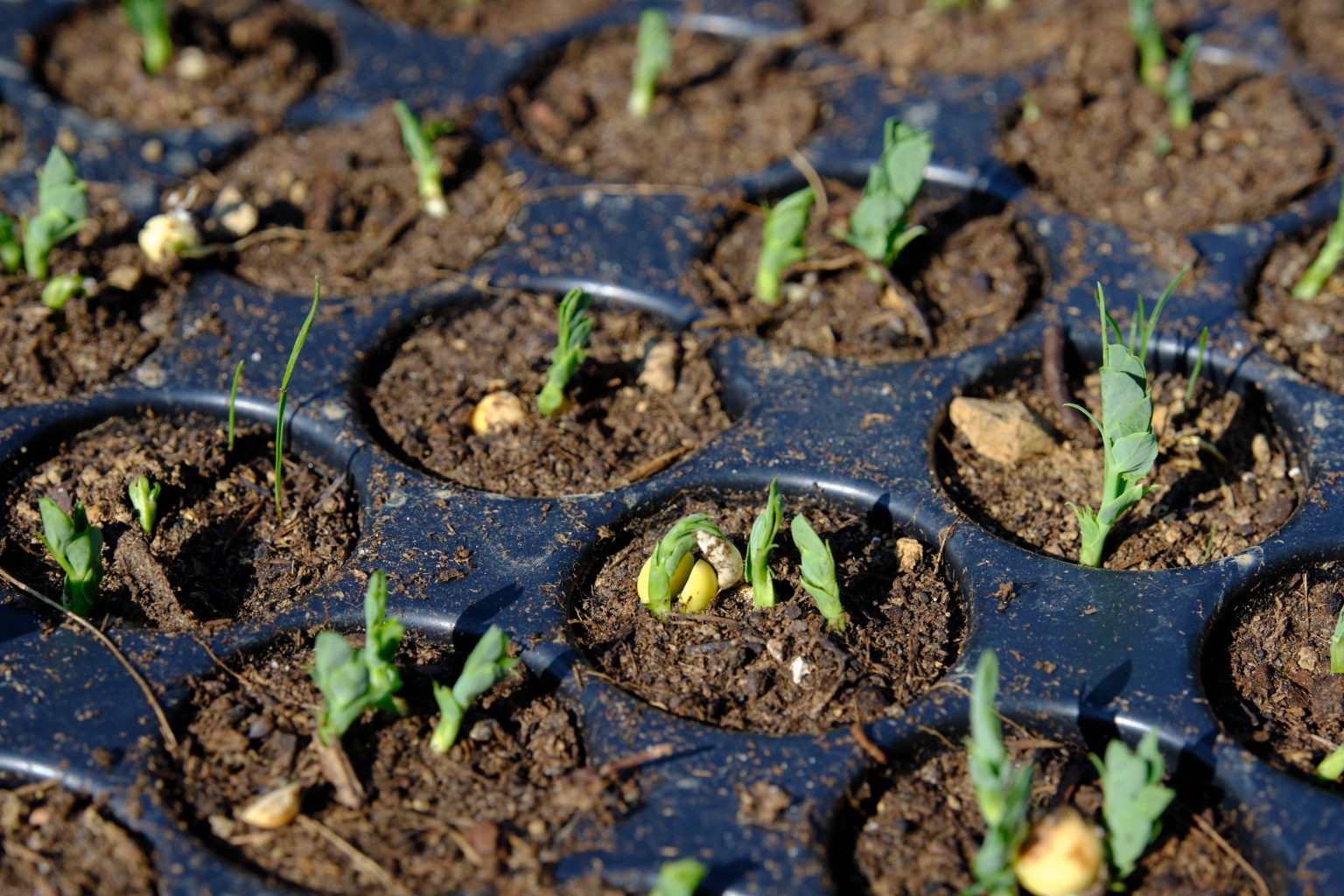
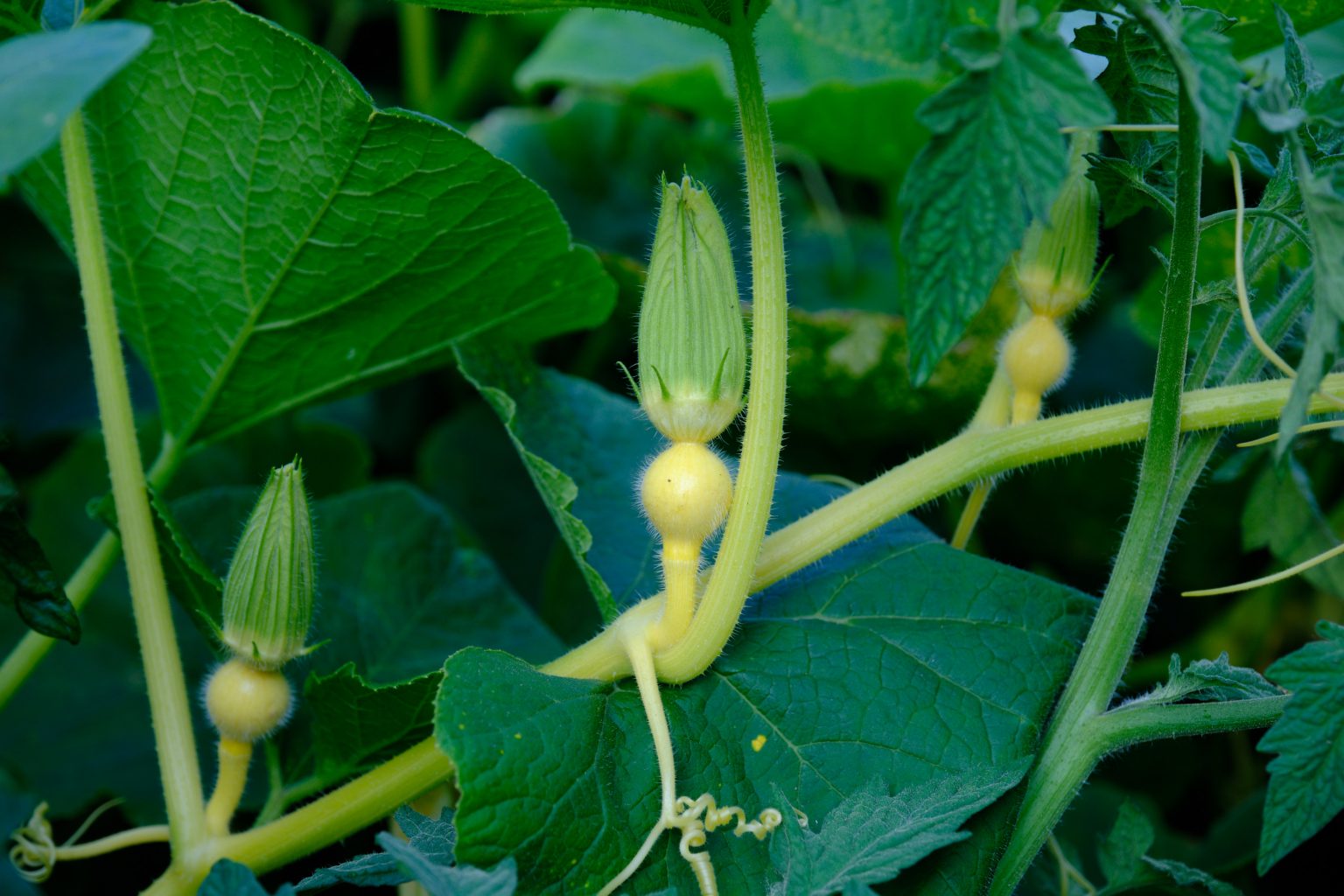
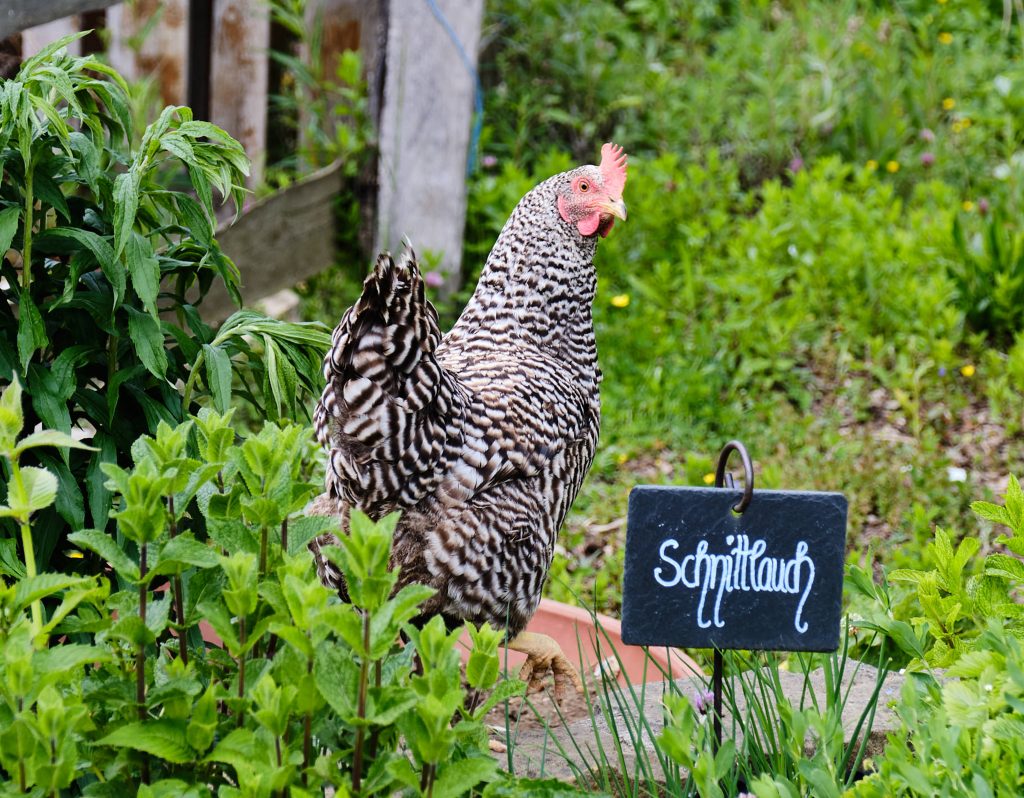
For our permaculture garden, we have chosen an area of 1,600 square meters located near our main kitchen. Of course, it’s great to be able to pick vegetables, berries, fruit, herbs, and salads exactly when they are needed. This eliminates the need for ordering, transport, and incoming goods inspection. Furthermore, this also saves space in the cold storage rooms and thus energy.
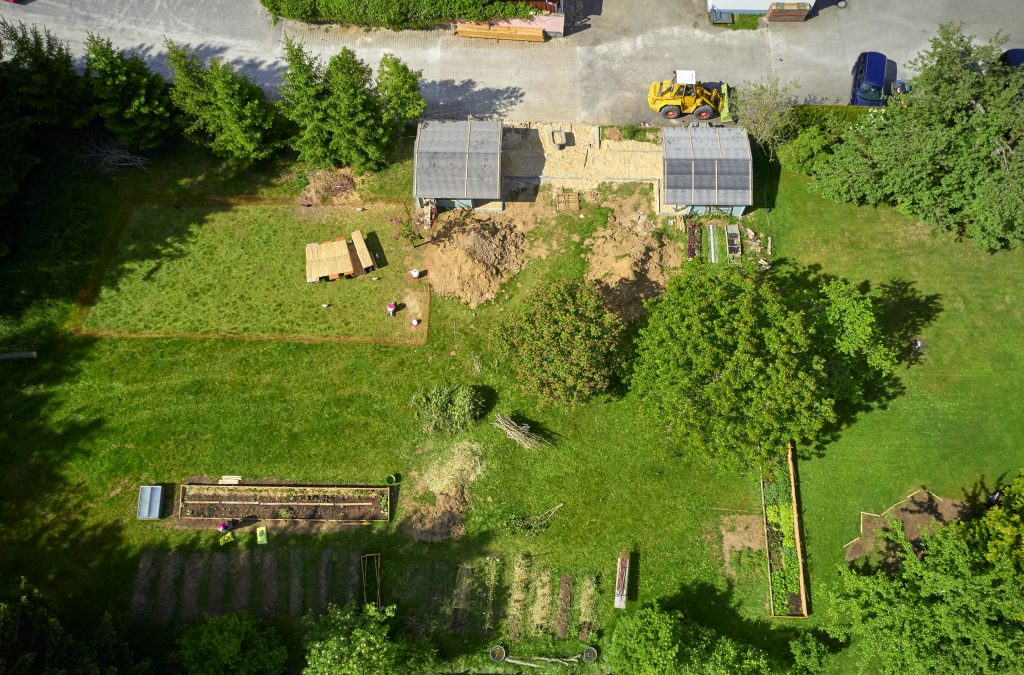
On the other hand, it is, of course, very labor-intensive. We are confident that we will grow with our experience over time and that some tasks will become quicker and easier for us. There is a lot of knowledge to gather and put into practice. It will certainly take many years before this becomes a routine.
Our journey has begun. We are excited to see what comes of it.