Bees
A few years ago, we wondered how honey could be “organic.” You can place bees in front of an organic field, but bees travel up to 10 kilometers in every direction to collect pollen and nectar. There are no organic areas that large in this country. On principle, however, we still bought regional organic honey and kept asking ourselves whether this made sense.
"What we then learned about beekeeping shocked us."
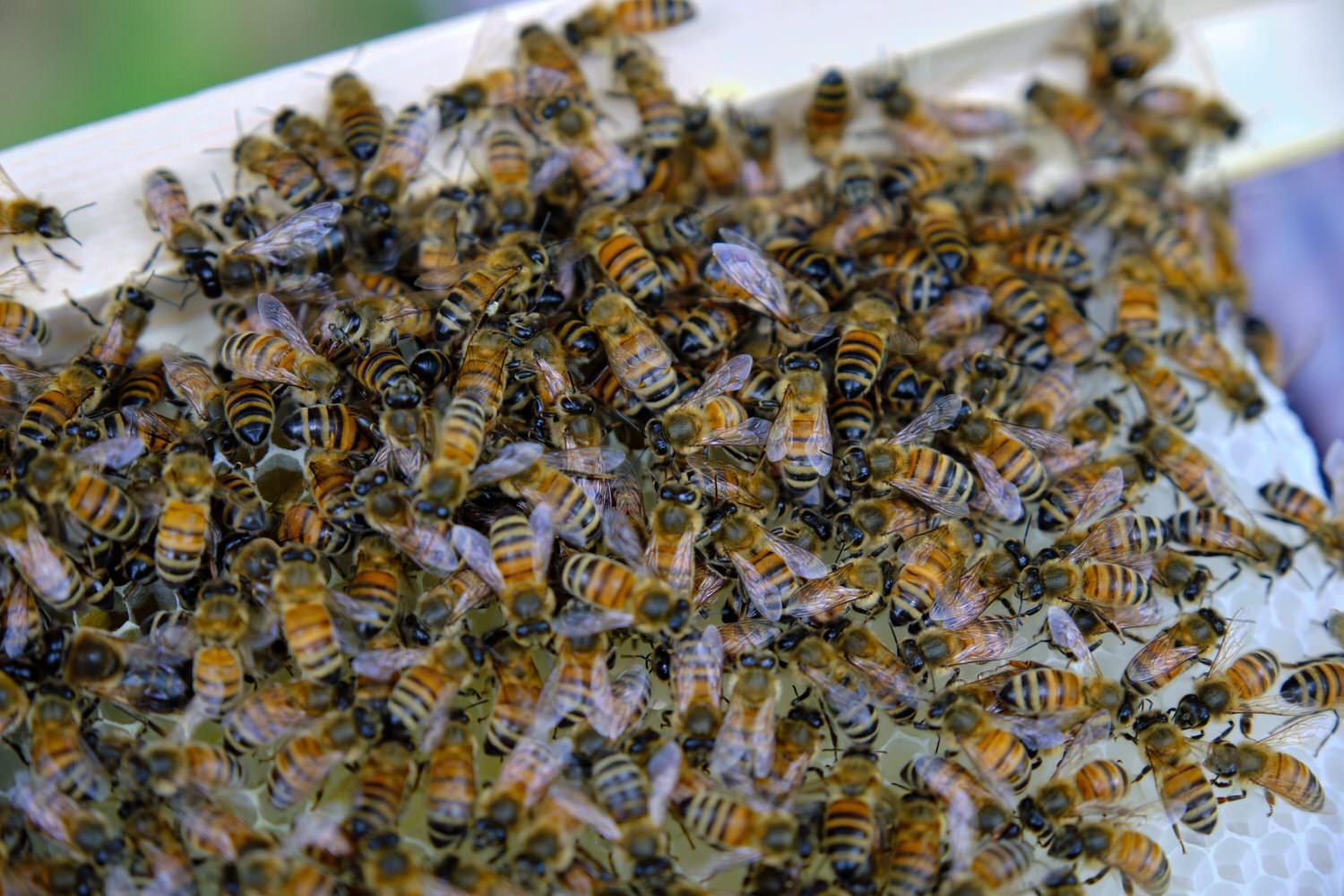
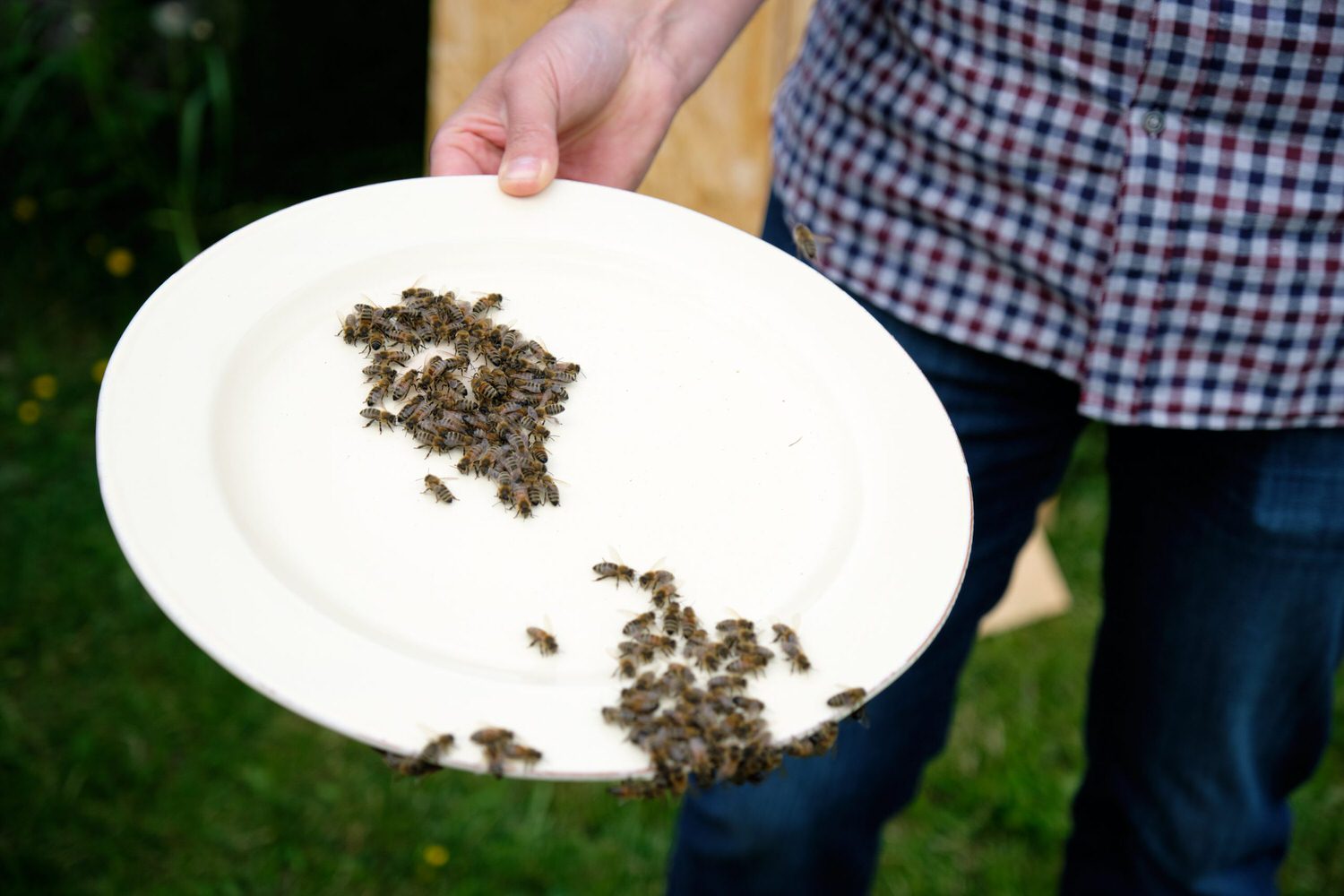
We only understood the difference when we wanted to keep bees ourselves. Not for the honey, but for pollinating our plants. What we then learned about beekeeping shocked us. Natural swarming is prevented through targeted measures, insemination is done artificially, and the honey, which is ultimately the bees’ pantry, is usually completely removed. The bees themselves have to make do with sugar water as their supply. This doesn’t have nearly the same nutrients as the honey they produce with so much effort. The bees are not resistant and therefore more vulnerable to their natural enemies. Unfortunately, antibiotics are also used generously here. Furthermore, bee breeds have been bred in such a way that they can hardly defend themselves. While the beekeeper doesn’t have to fear stings as much, this is bad for the bees, who can no longer defend themselves as nature intended.
"This means things end up in the honey that we don't want to spread on our bread. In the organic sector, there are clear restrictions and limits here."
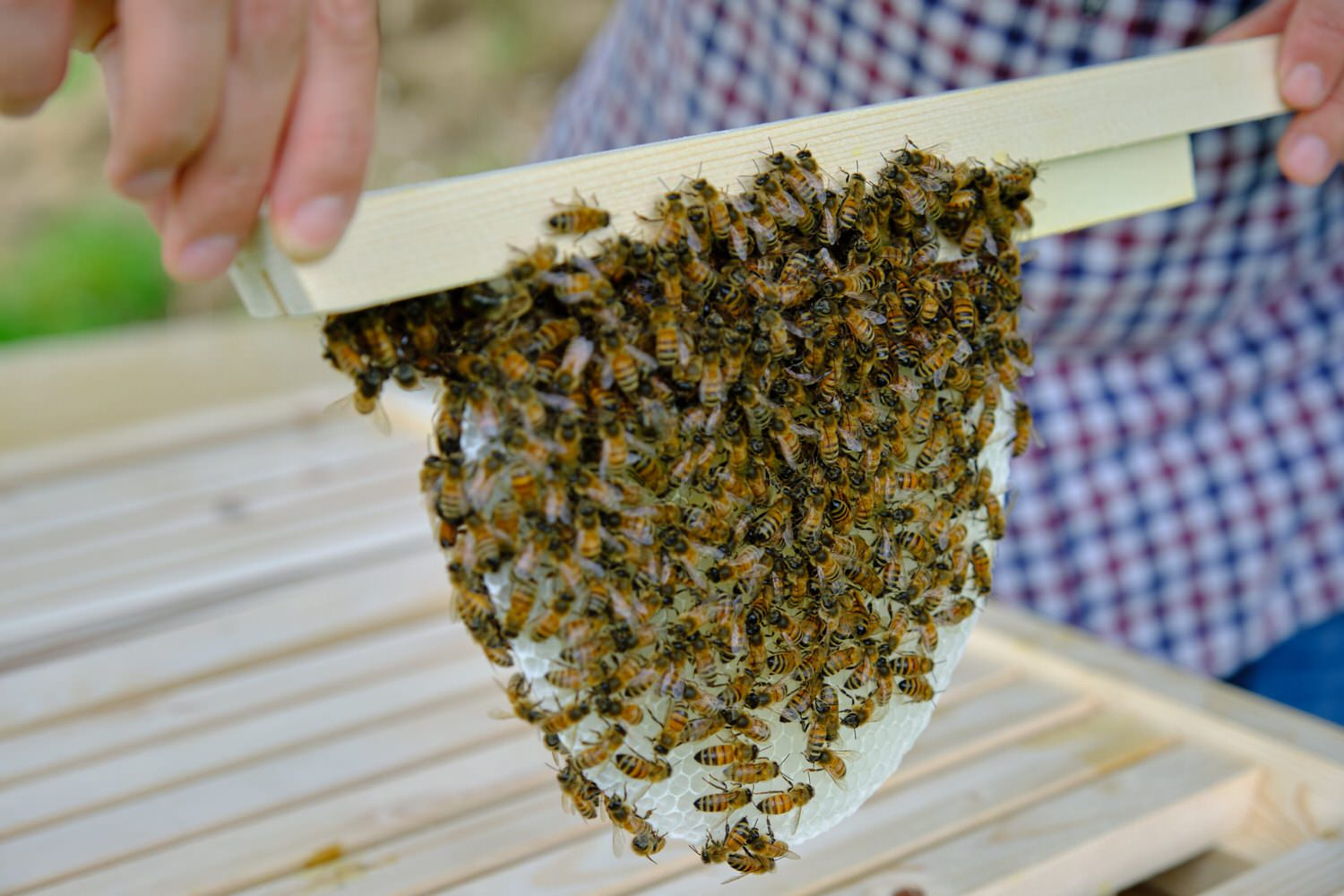
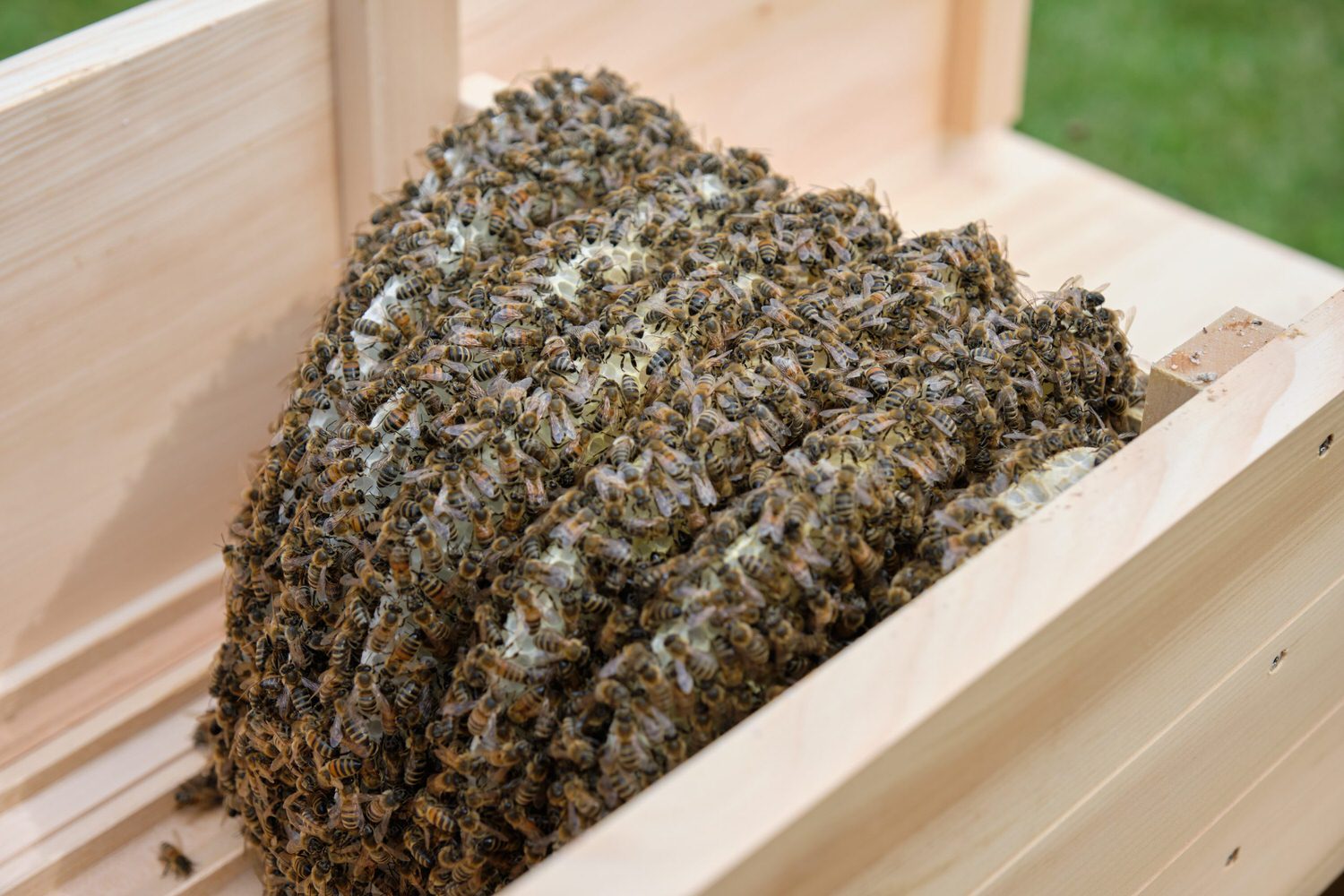
Chemical treatments are used against the varroa mite. This means things end up in the honey that we don’t want to spread on our bread. In the organic sector, there are clear restrictions and limits here. Anyone interested in the problems facing bees should definitely watch the documentary “More than Honey.” Then it becomes clear what a danger this poses for humans as well.
We’d like to quickly put away the wagging finger, though. Beekeepers have to earn their living from this activity. Unfortunately, there are the same conflicts here between conventional and organic practices, as well as regarding animal welfare, as in all other areas of agriculture.
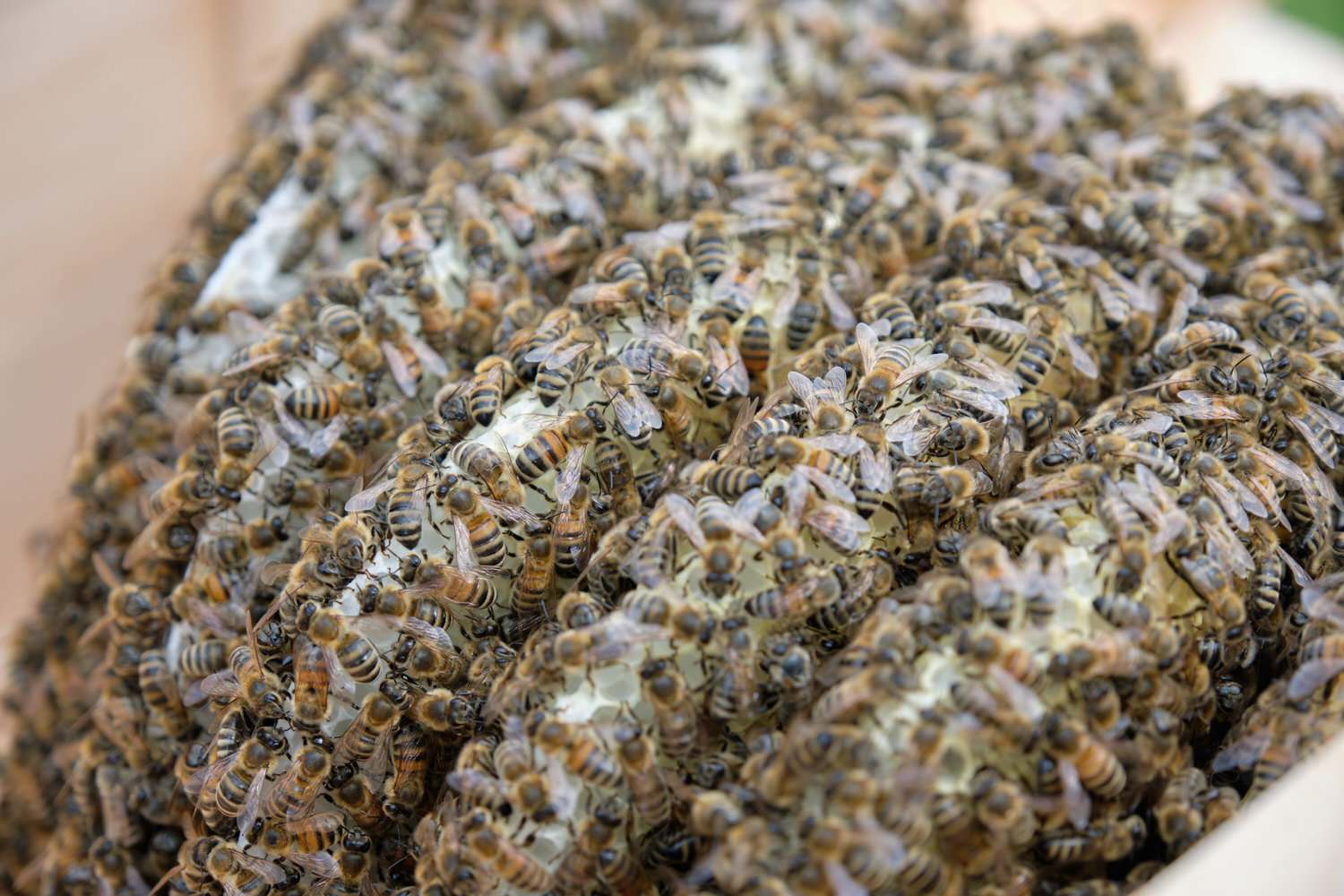
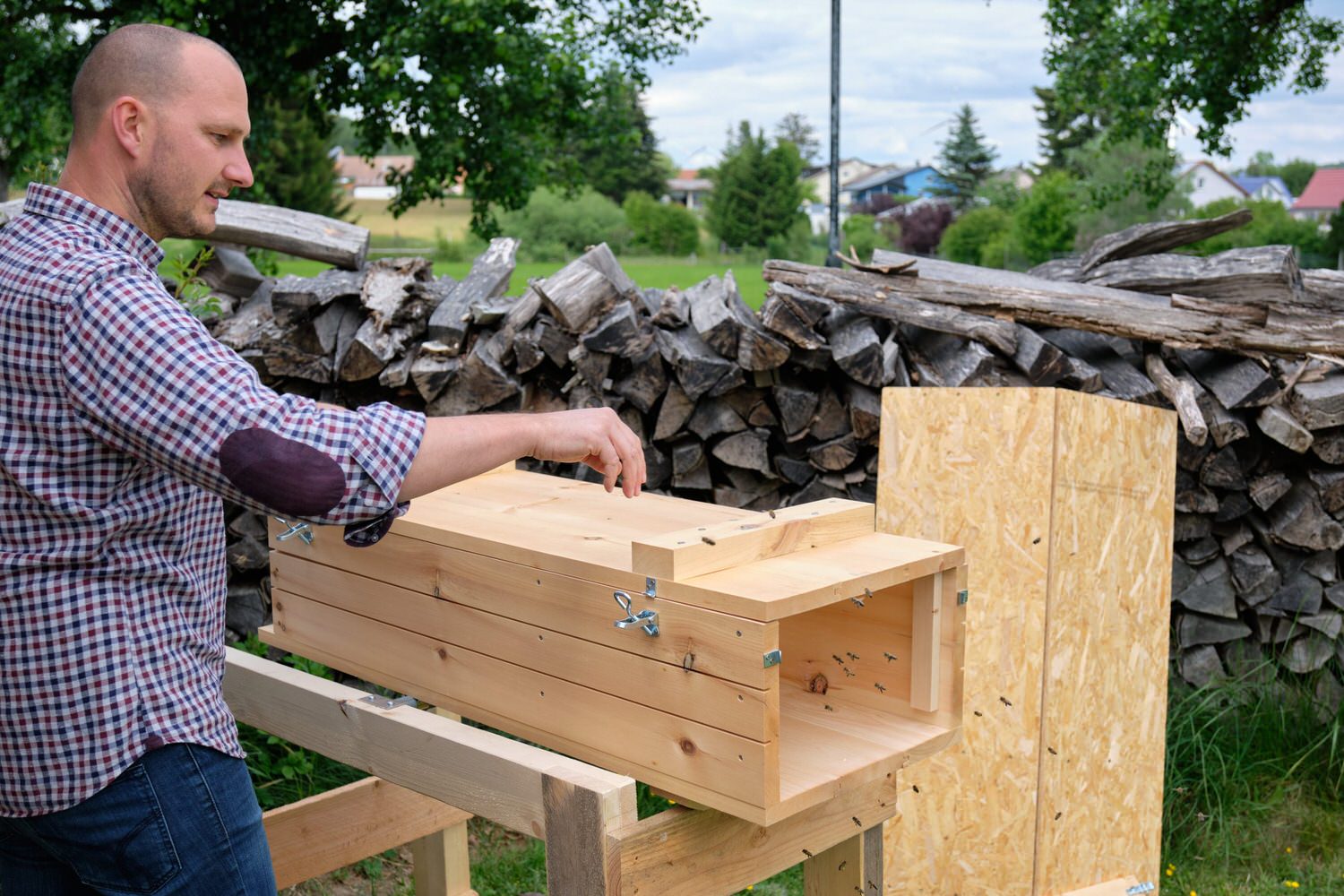
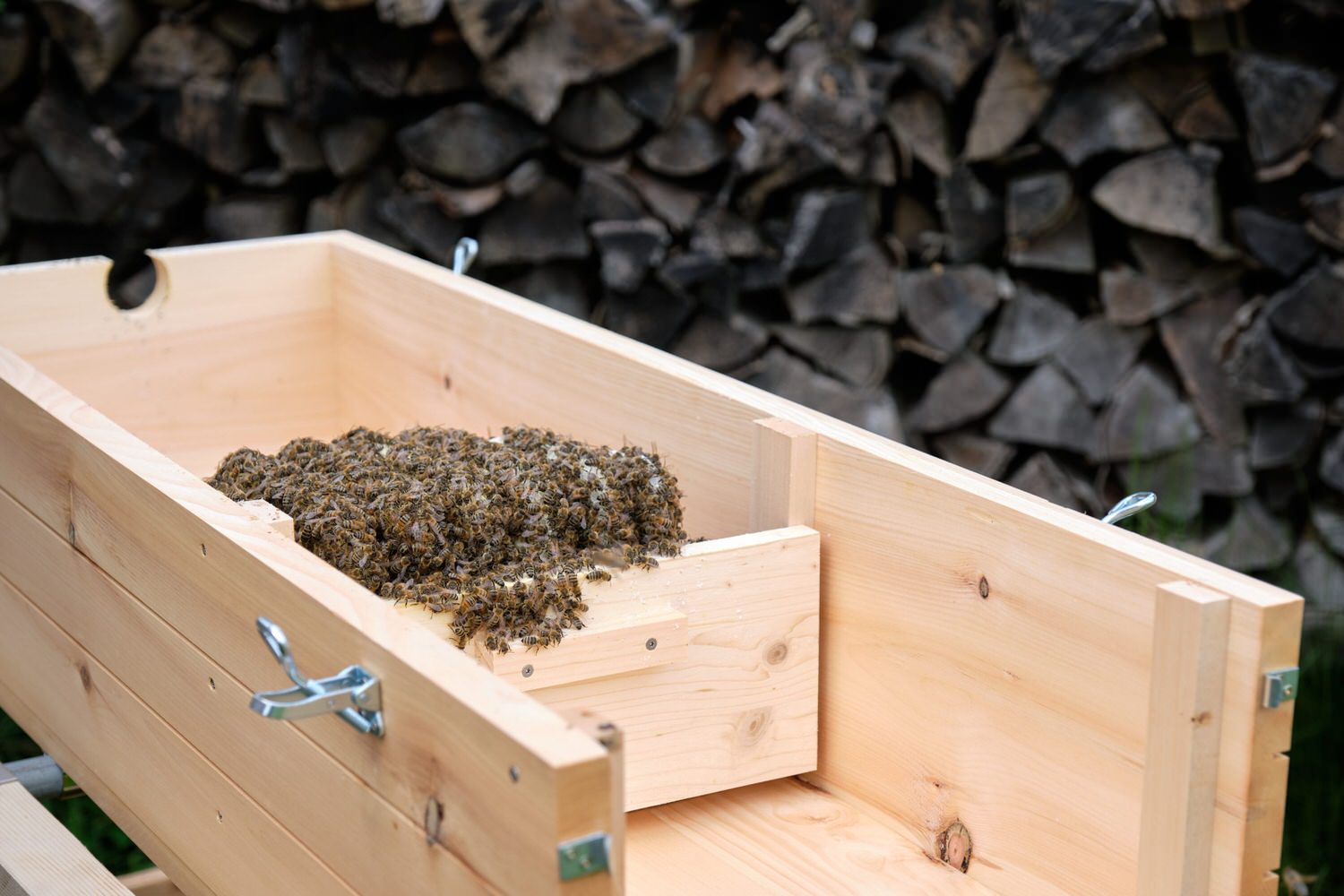
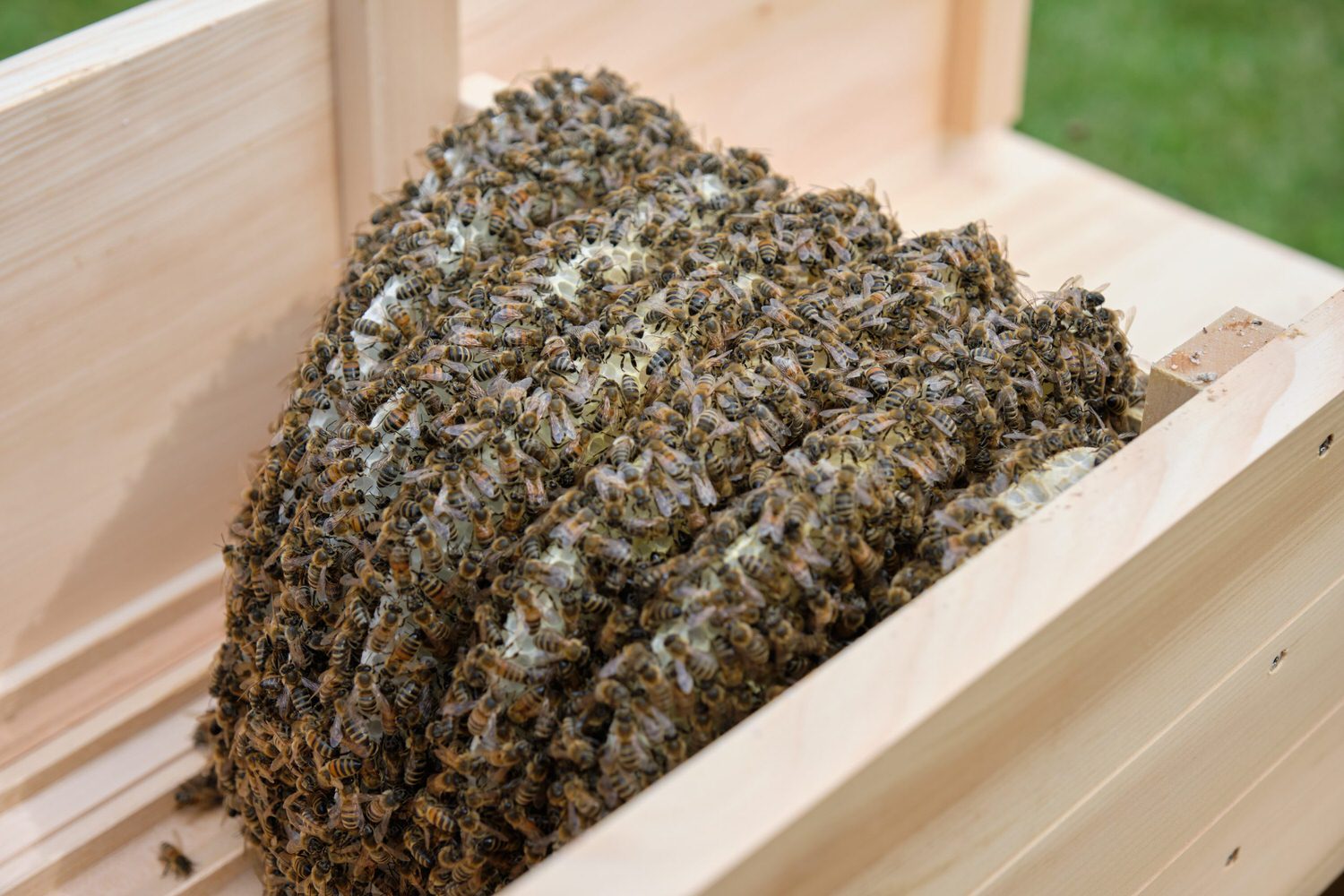
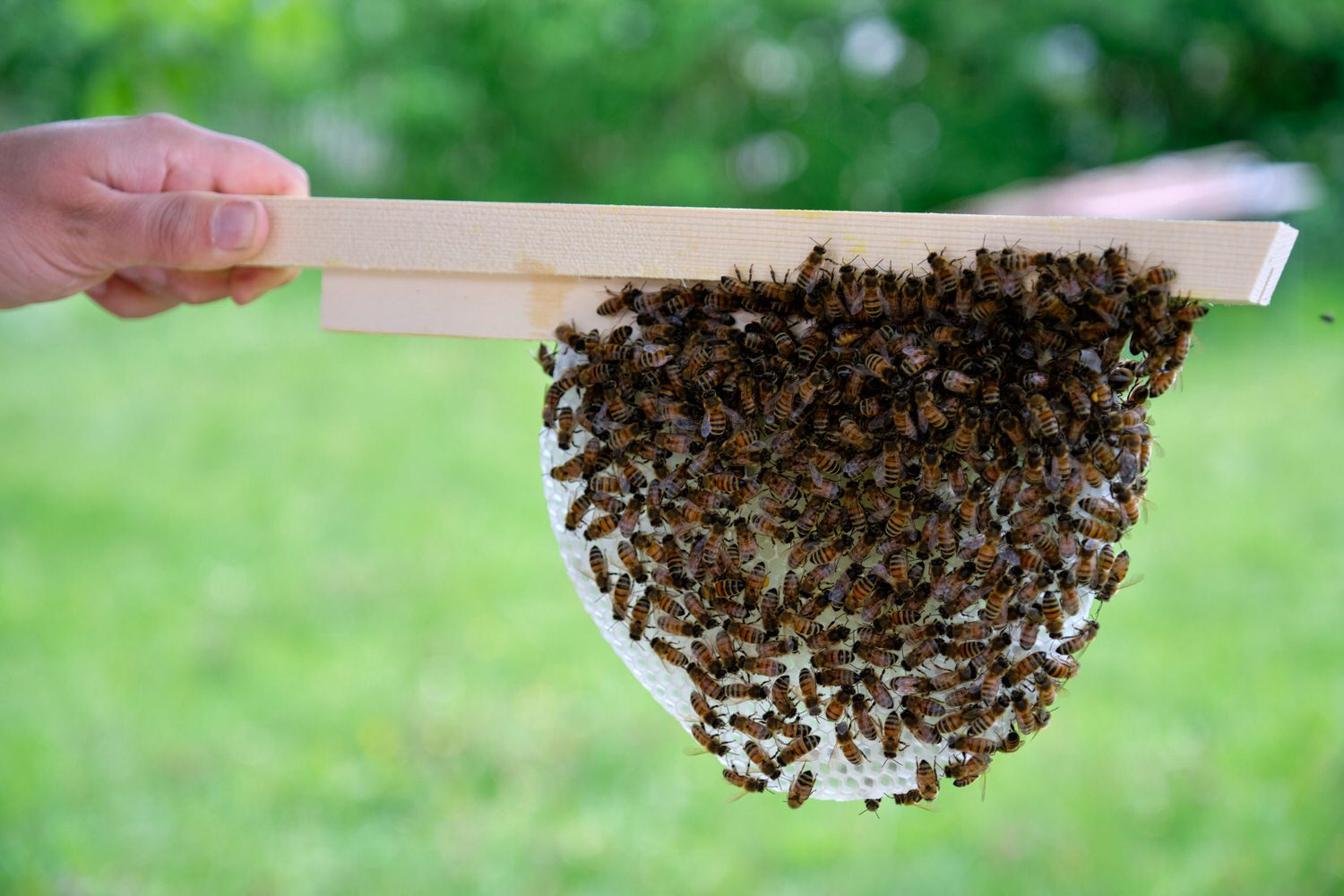
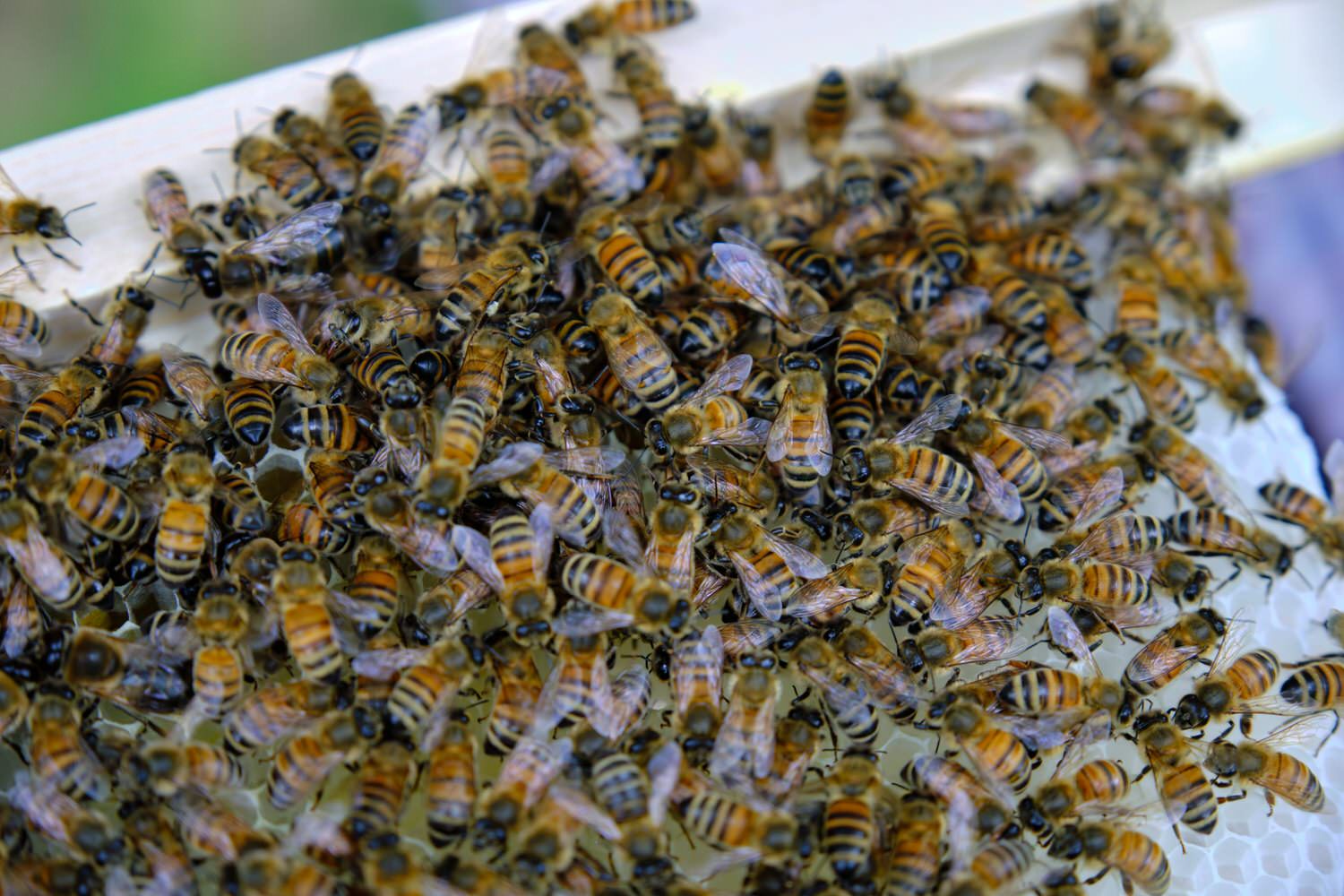
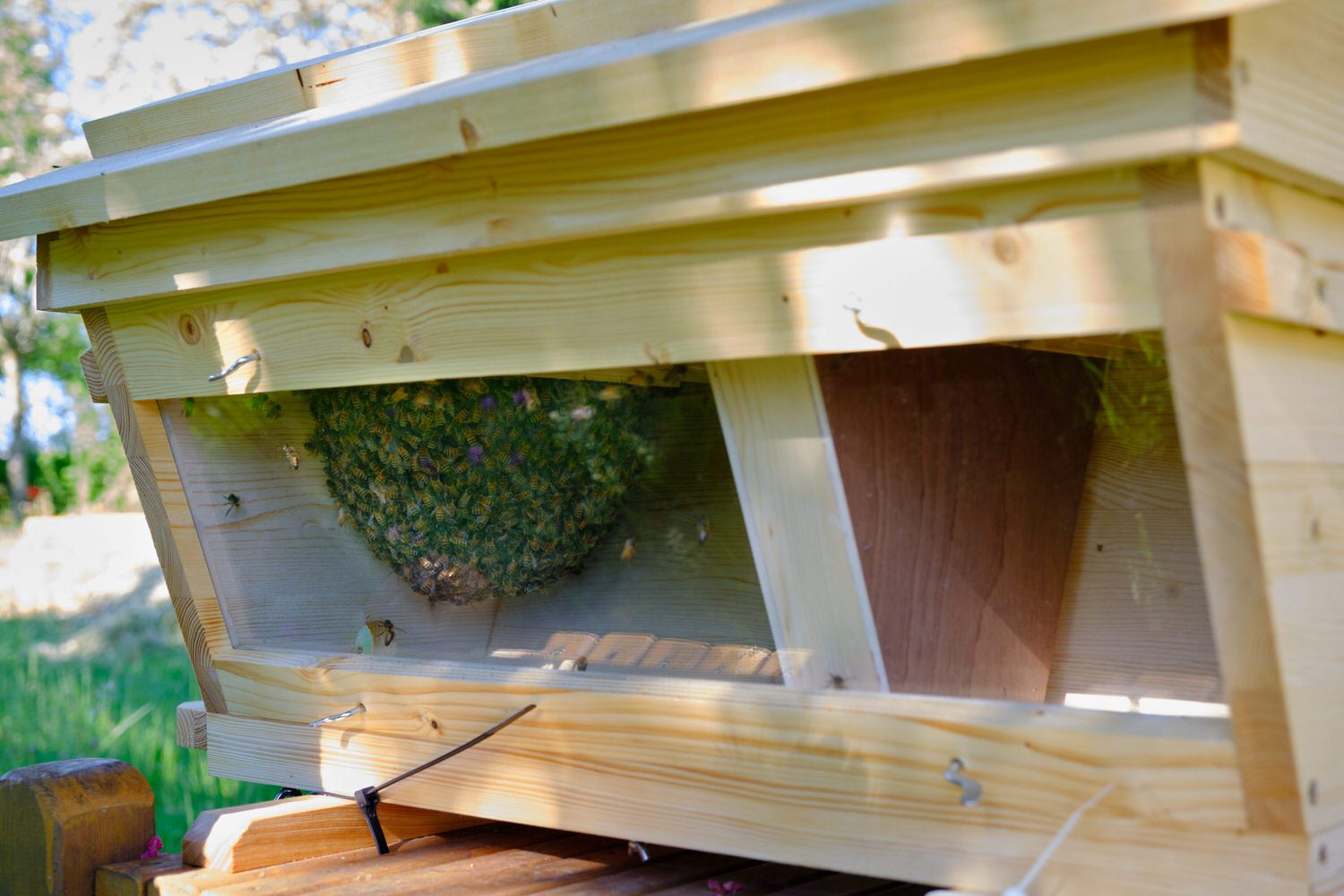
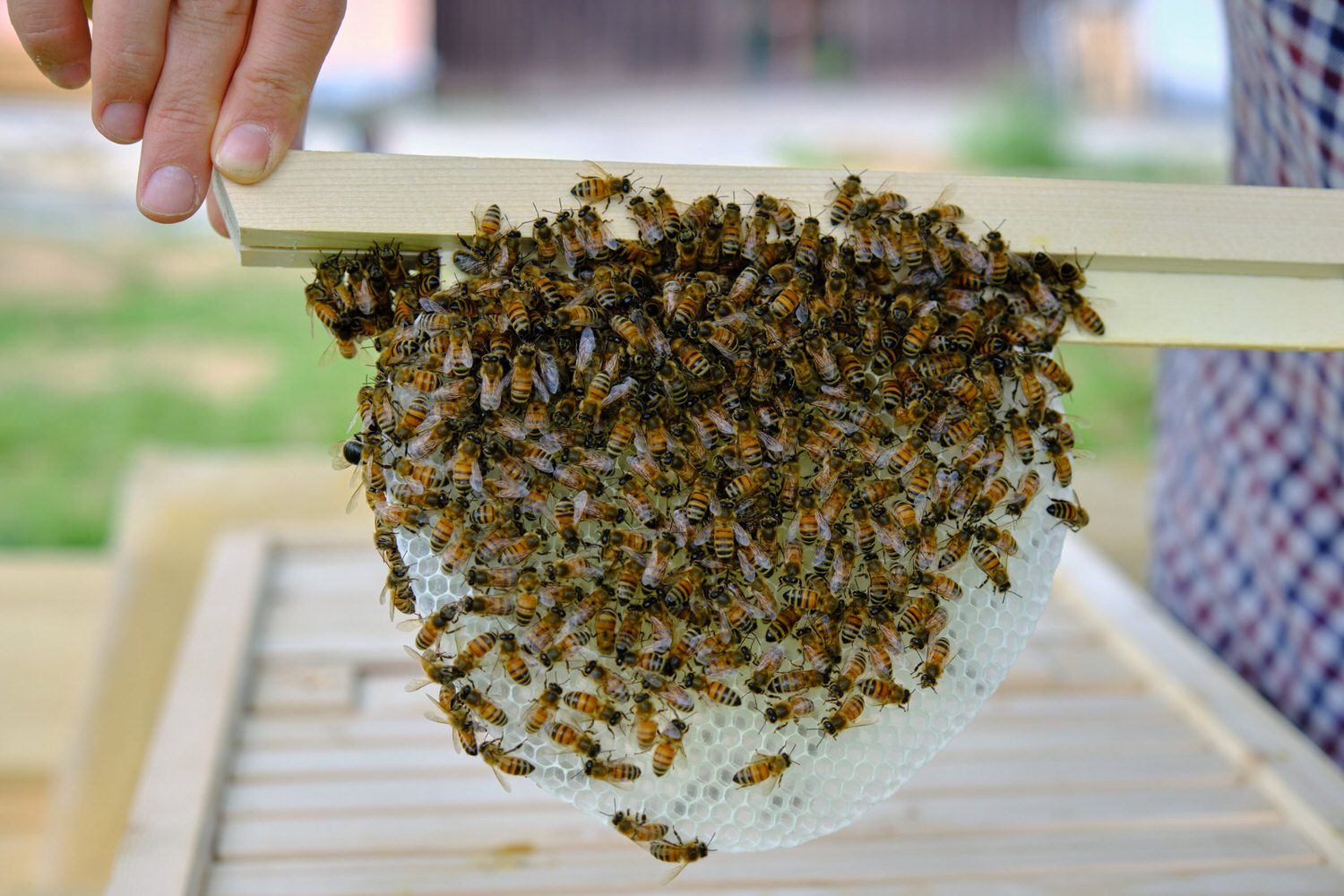
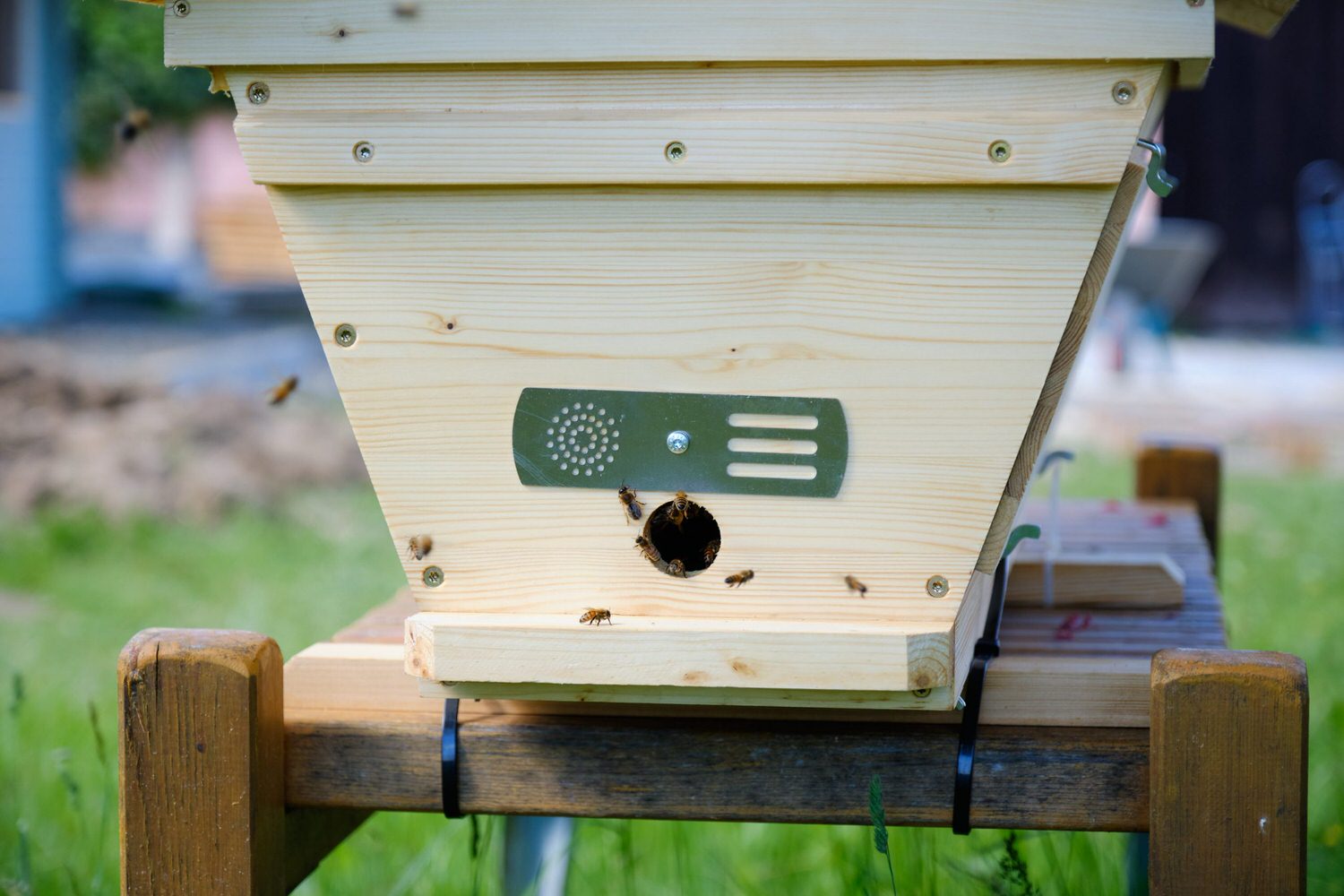
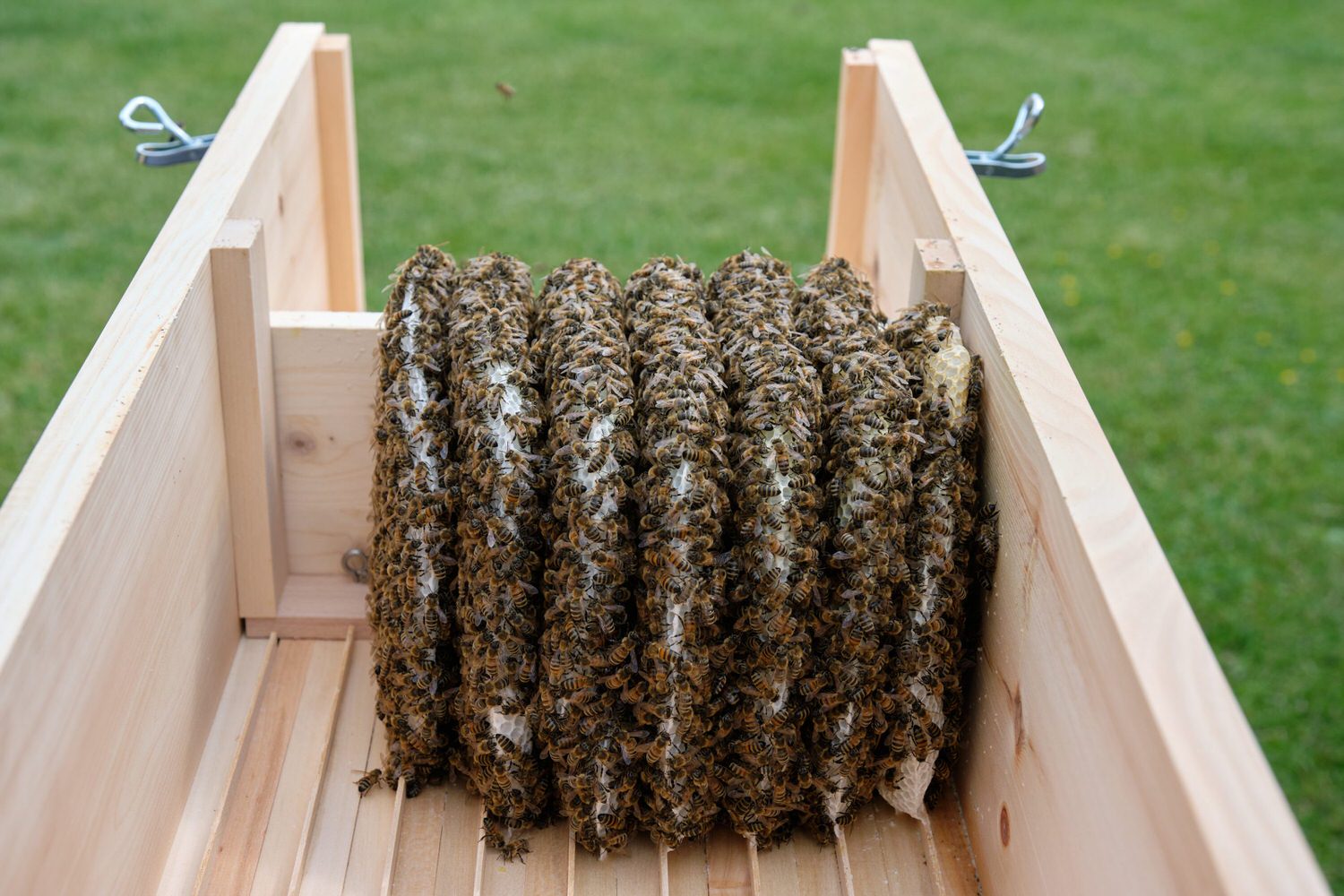
In conclusion, we decided to keep bees ourselves. In a way that respects their nature and species. Since our main focus is on pollination, we chose single-chamber hives. These align with our values and objectives and are also less labor-intensive. You leave most of the work to the bees, and in return they get to keep the vast majority of the honey. We help ourselves to a bit of the surplus—after all, bees are industrious.
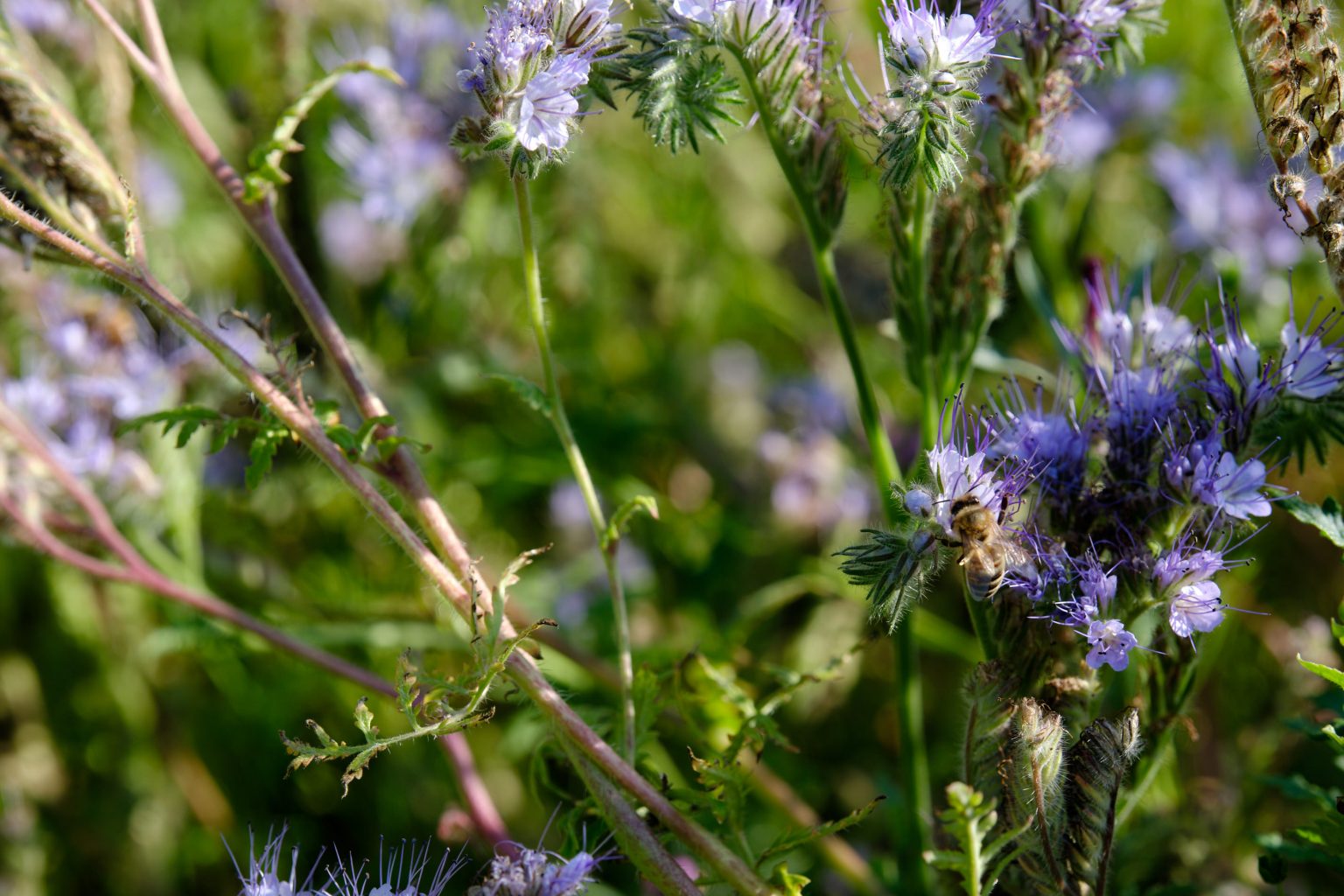
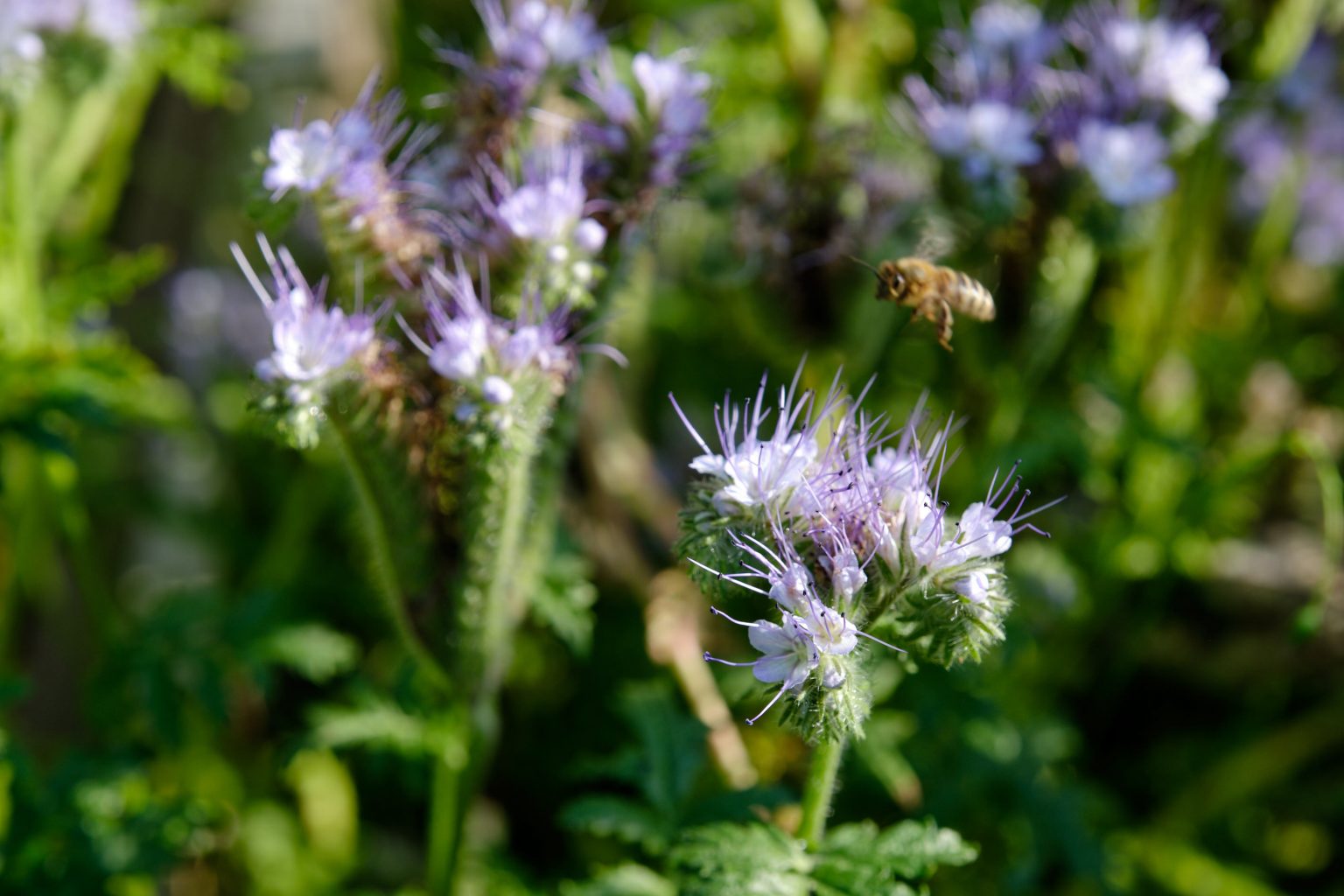
"A new dimension has been added to our garden planning. We need to ensure that there are always enough pollen and nectar sources available for our bees."
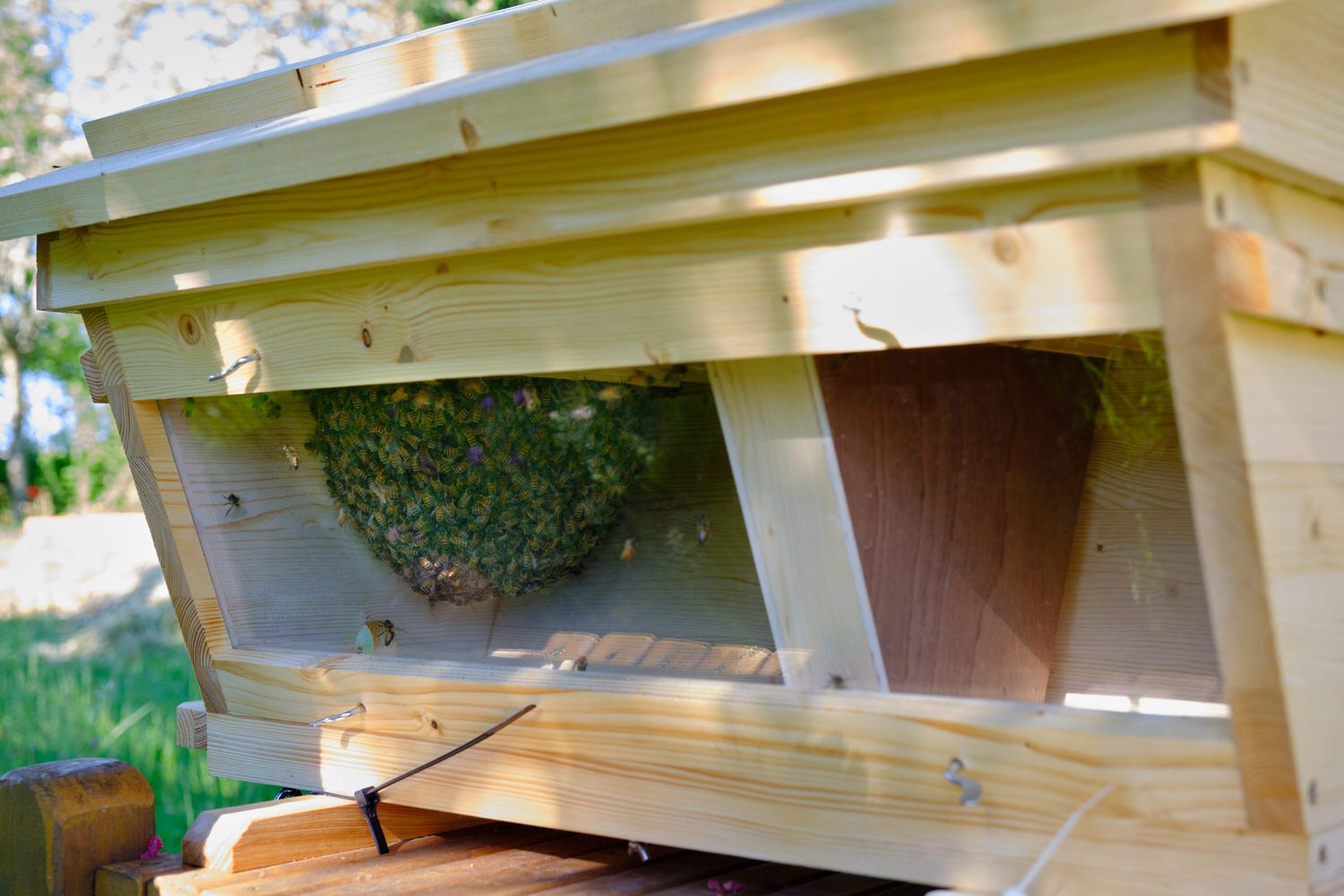
We have certified our honey according to Demeter standards. However, we don’t sell honey, as it’s not even enough for our own needs. We purchase honey from Demeter beekeeper Günter Friedmann.
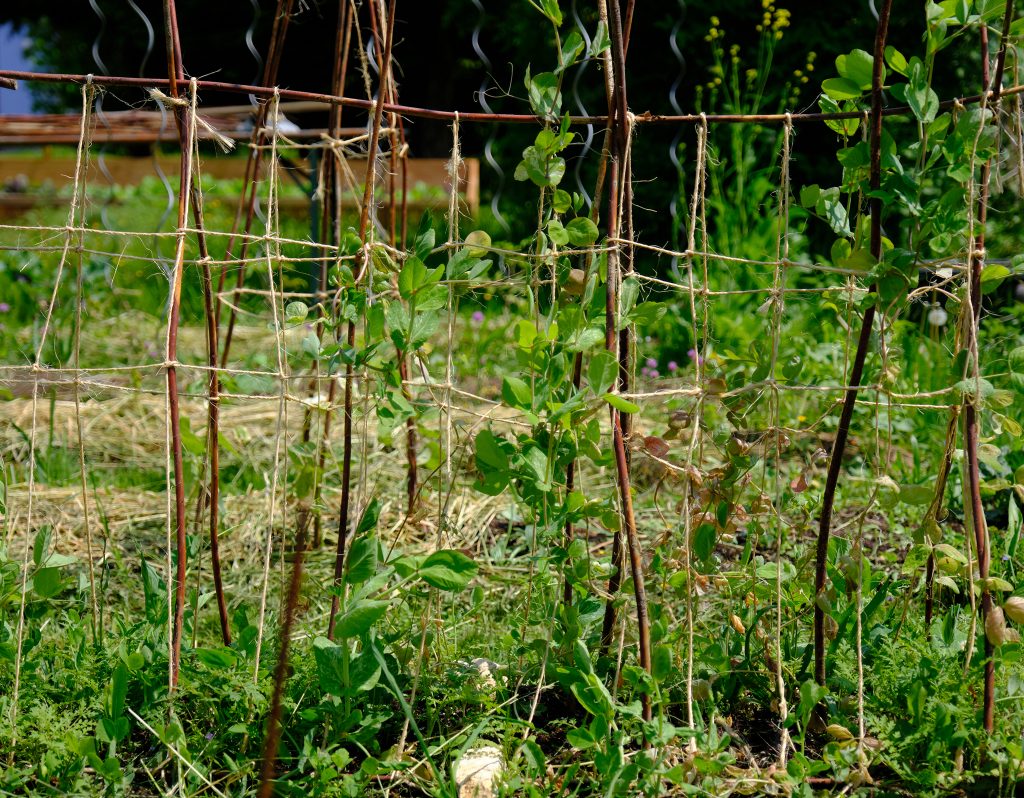
A new dimension has been added to our garden planning. We need to ensure that there are always enough pollen and nectar sources available for our bees. Achieving this is currently more difficult in the countryside than in the city. The permaculture garden is perfect for this, though.