What sustainability means to us
Sustainability is a key criterion for every decision we make on our estate and is never put on the back burner. We know we need systemic change towards a world that is fair for people and nature. Our estate is meant to be part of a future that enables a just and ecologically respectful way of life for us, our fellow human beings, and animals. We’re not perfect, but we learn every day and continuously work on improvements. Our sustainability concept is based on six pillars:
- Nature conservation: We promote biodiversity, protect valuable ecosystems, and restore lost landscapes.
- Climate action: We reduce our greenhouse gas emissions and support measures to adapt to climate change.
- Justice: We promote structures for social and economic justice and advocate for improved animal welfare.
- Resilience: We support sustainable production in our region, as well as fair and robust supply chains for our international products.
- Circularity: We work to reduce waste and recycle materials to advance the circular economy.
- Health: We use products and materials that promote the health of our producers, employees, and guests.
Words are only useful if they’re followed by action. That’s why we present our standards, processes, and projects here in concrete terms—implemented across the four different areas of our estate—to support our sustainability goals.
Implementation on the estate
Food & Drinks
Organic farming is the foundation of our sustainability work in the area of food & drinks. In 2015, we received our organic certification and have continued to expand it with ongoing commitment. Today, we are part of a small group of only 11 restaurants in Germany that are Demeter-certified. This means that 100% of the food and drinks we use are produced under the strictest standards for environmental protection and animal welfare in agriculture.
"We cook all our dishes from scratch, without artificial additives, and we use every product in full here as well."
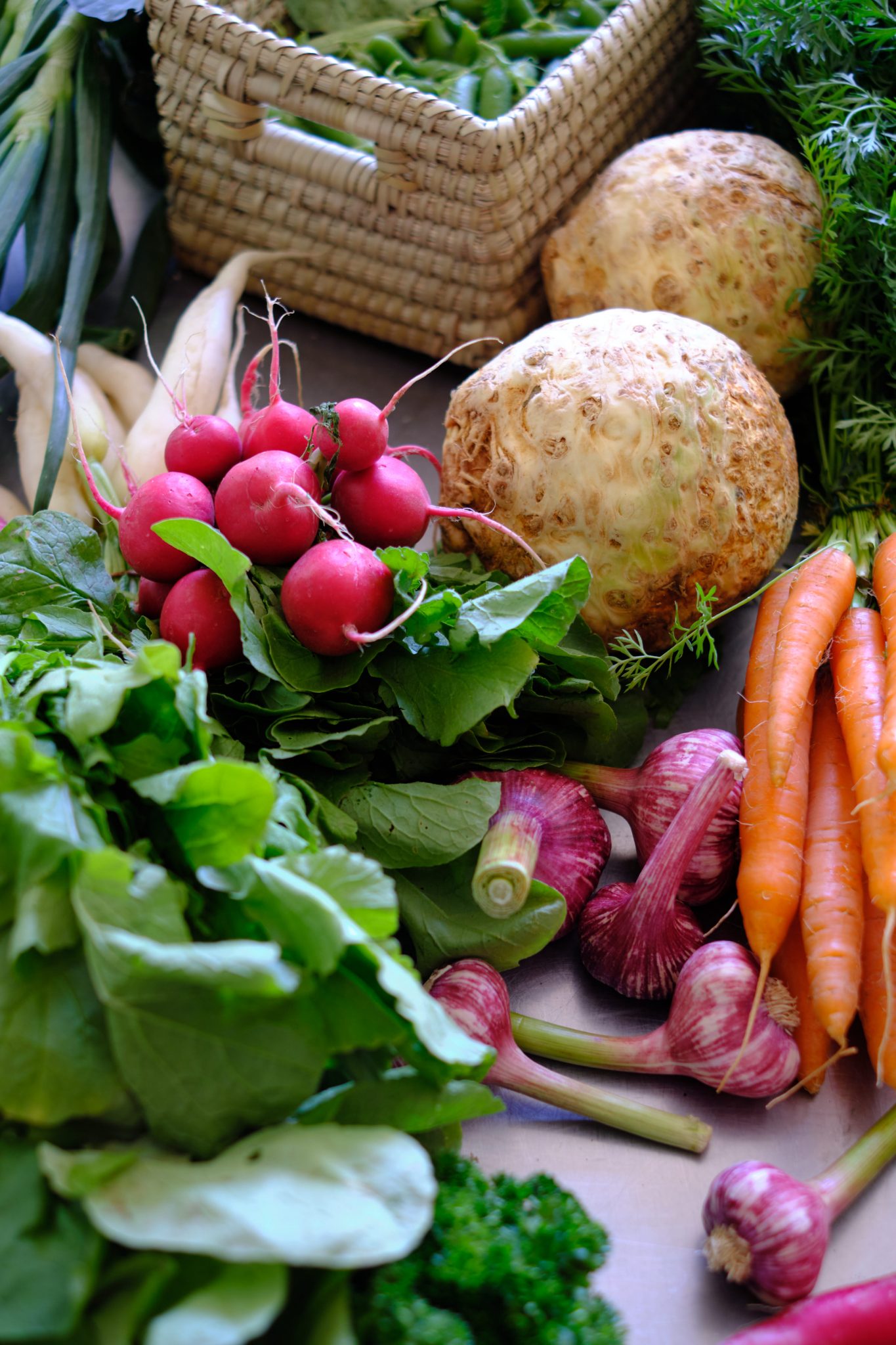
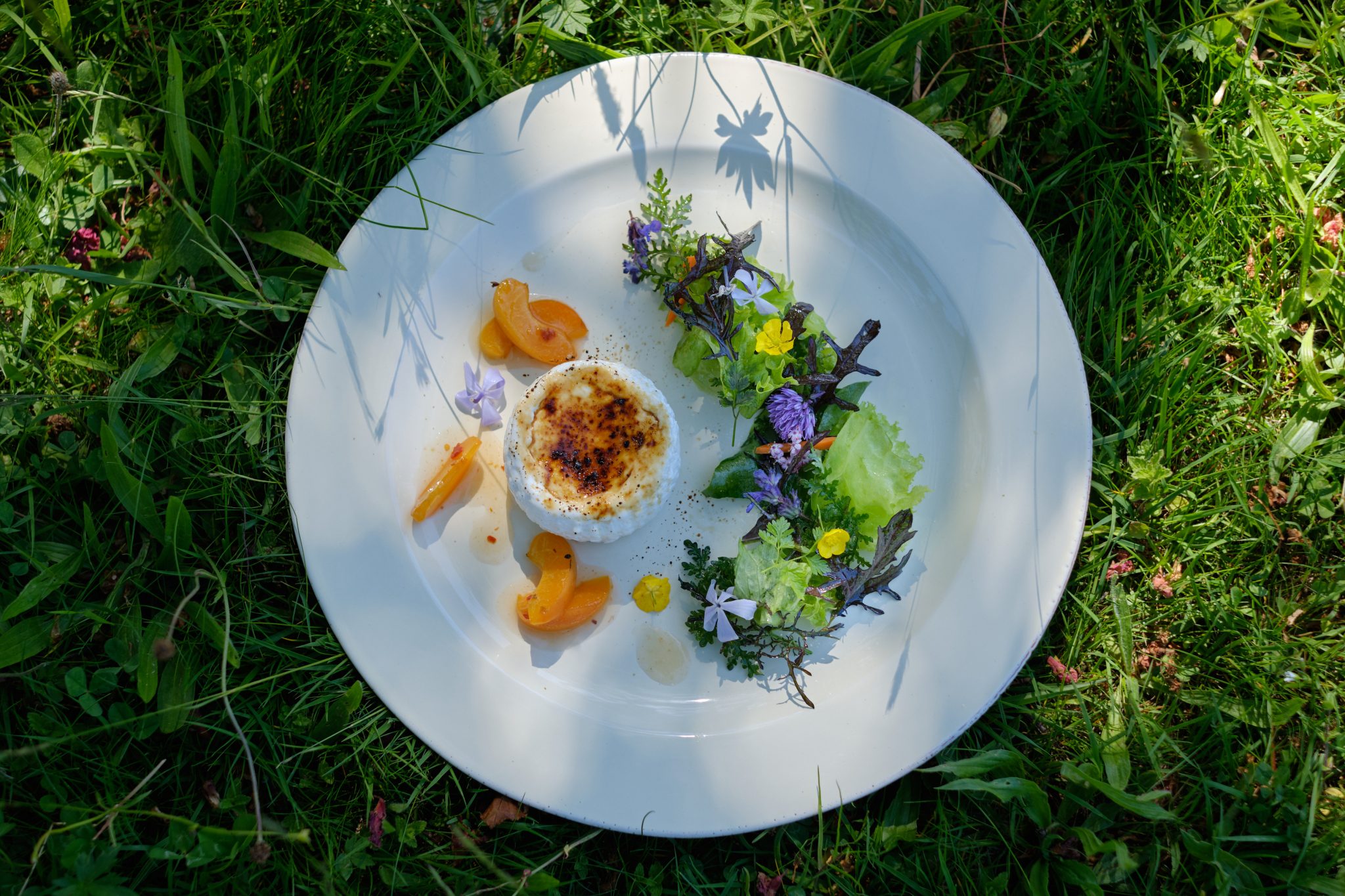
Over more than two decades of planning and running events, we’ve developed a special philosophy for cooking and menu planning. It delights our guests’ palates while protecting valuable resources and enabling better working conditions for our suppliers and our kitchen team. Every week, we eagerly await news from our producers’ harvest and then create a bespoke surprise menu for our events. Each menu makes full use of this seasonal repertoire and is tailored precisely to the size of the event. This helps us avoid food waste on farms and at our events—an important contribution to climate action.
We cook all our dishes from scratch, without artificial additives, and we use every product in full here as well. We make hearty bouillon from vegetable peels and bones, prepare breadcrumbs from leftover bread, and if something does remain, our chickens are happy—or it returns to the natural cycle via our compost. We’re especially happy to use old, open-pollinated fruit and vegetable varieties. This way of cooking not only conserves resources, it tastes worlds better, is healthier, and fosters our team’s creativity and skills.
"We know our society needs to consume fewer, but better, animal products in order to treat animals with respect and give our planet a future."
We also select our internationally produced foods with the greatest care. When a recipe calls for nuts, our chefs prefer Hylea Brazil nuts to help protect rainforests in Bolivia and Brazil from deforestation. We buy our Bourbon vanilla directly from small organic producers on the Indonesian island of Lombok, whom we visited on site in 2019.
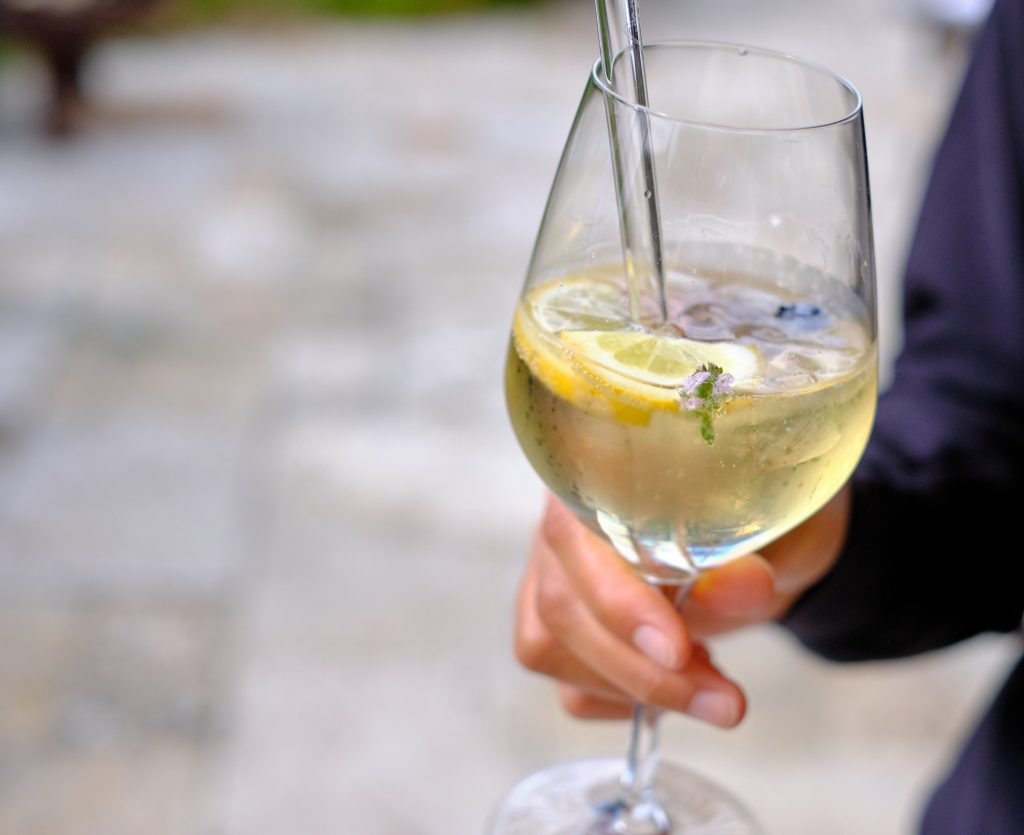
Another hallmark of our cuisine is our passion for vegan and vegetarian food. We know our society needs to consume fewer, but better, animal products in order to treat animals with respect and give our planet a future. That’s why we usually use a meat product in only one course of each event and offer our guests wholesome and delicious vegan and vegetarian menus. Every year, we host several fully vegan or vegetarian events—both in terms of the food and the drink selection.
Event spaces and overnight accommodation
The buildings where our guests dine, celebrate, and relax are an important part of our sustainability strategy. We have restored most of our buildings with great attention to detail, significantly reducing their ecological footprint. We prefer natural and recycled materials for this, such as wood from former barns and stables. Our in-house carpenter makes most of the furniture from local woods. For imported products, we look for the FSC 100% label. We run our buildings with ENBW green electricity and energy-efficient technologies. We are currently developing concepts for generating green energy on the estate.
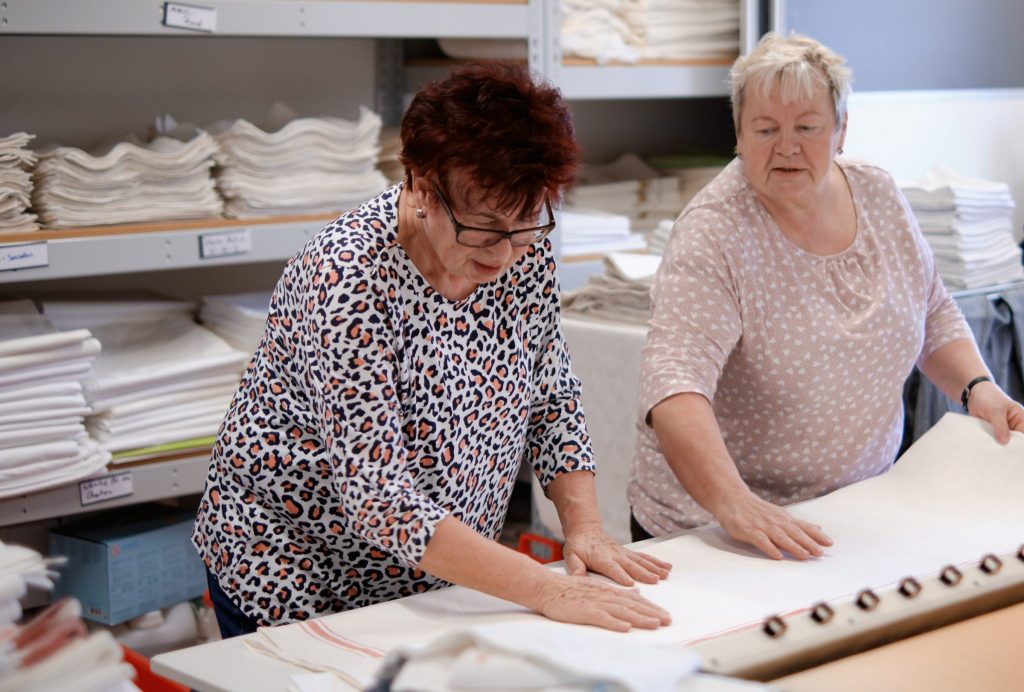
We try to produce as little waste as possible. We prefer products with minimal packaging and no plastic packaging, and we compost organic waste directly on our estate. We use only recycled paper, and our toilet paper supports improved sanitation facilities in the Global South through Viva con Agua. Towels in our restrooms and napkins on the tables are made of fabric and are therefore reusable.
Our detergents and cleaning products, as well as our cosmetics, are carefully selected to protect our water supply and the health of our guests and employees. Our partners here are the eco-friendly companies Sonett and Speick.
Gardens
Our gardens enchant the estate, add delicate aromas to our dishes, and provide important habitats for a wide variety of plants and animals. We designed them with the goal of promoting both productivity and nature conservation—so we can harvest herbs, vegetables, fruit, and flowers fresh while also providing a home for threatened insects, birds, and chickens.
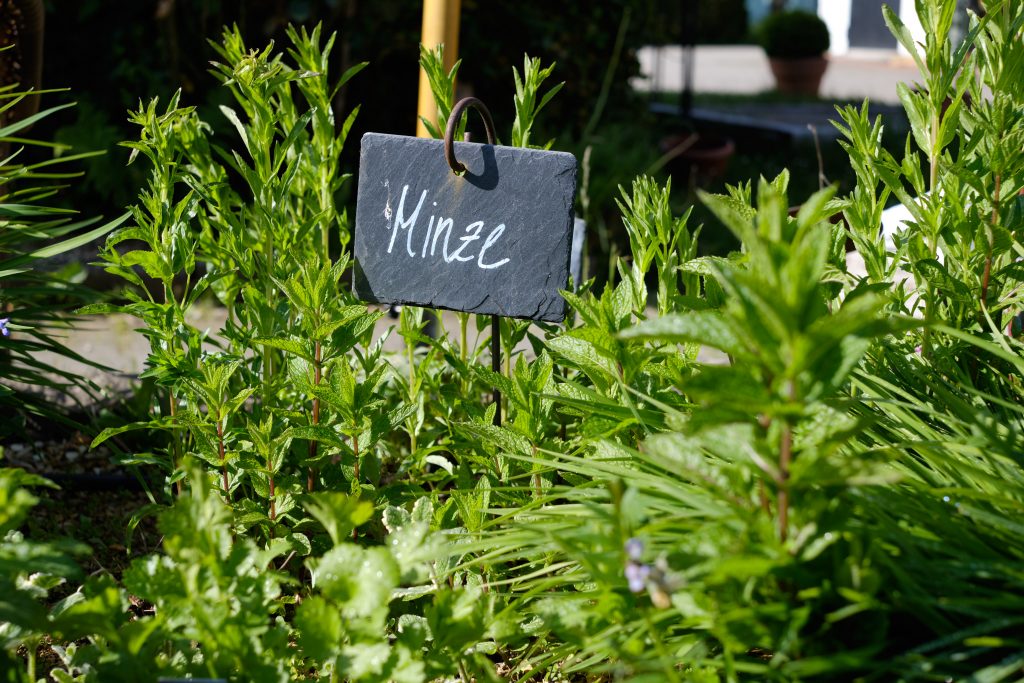
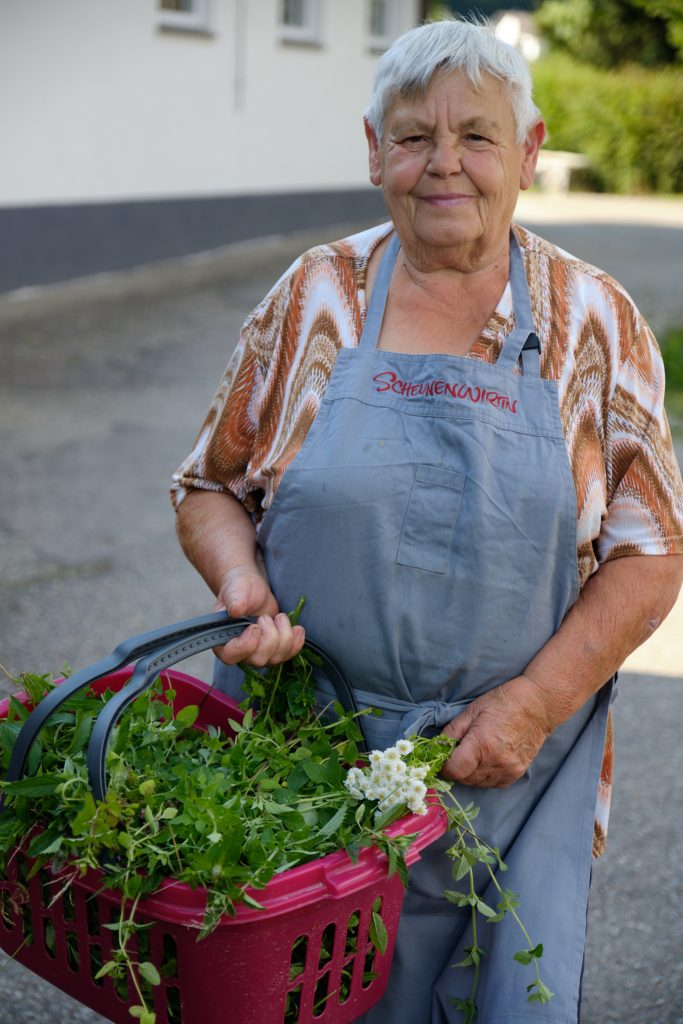
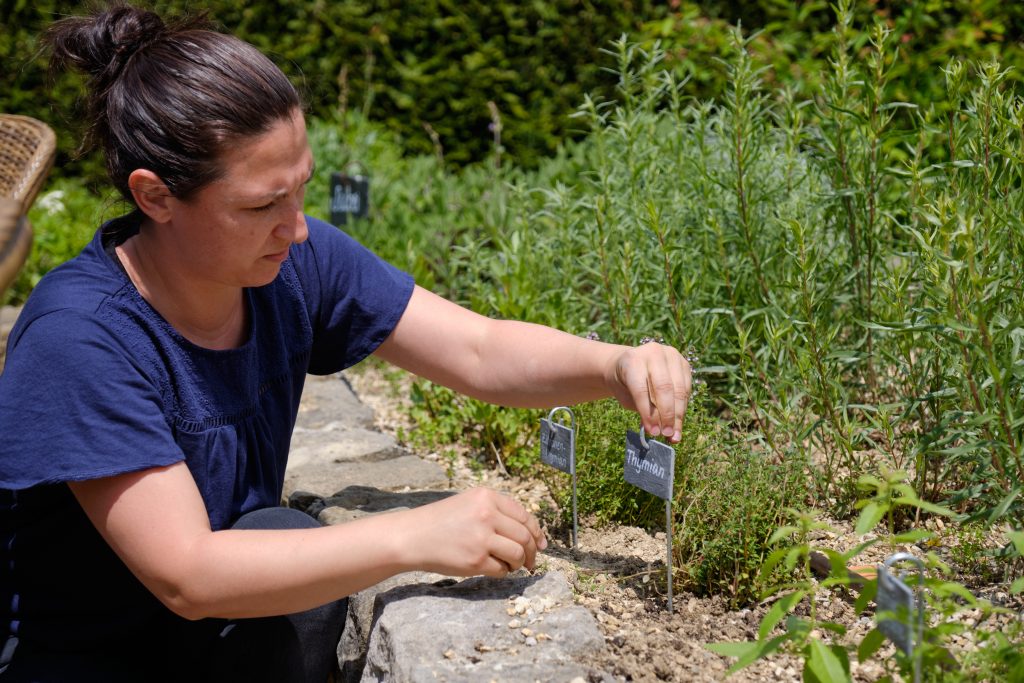
More than 50 different herb varieties have been spread across all the different gardens on our estate for over five years, covering our kitchen’s entire herb needs. In addition, our Grandma Lore makes the finest hand-picked herbal tea from them that we’ve ever had.
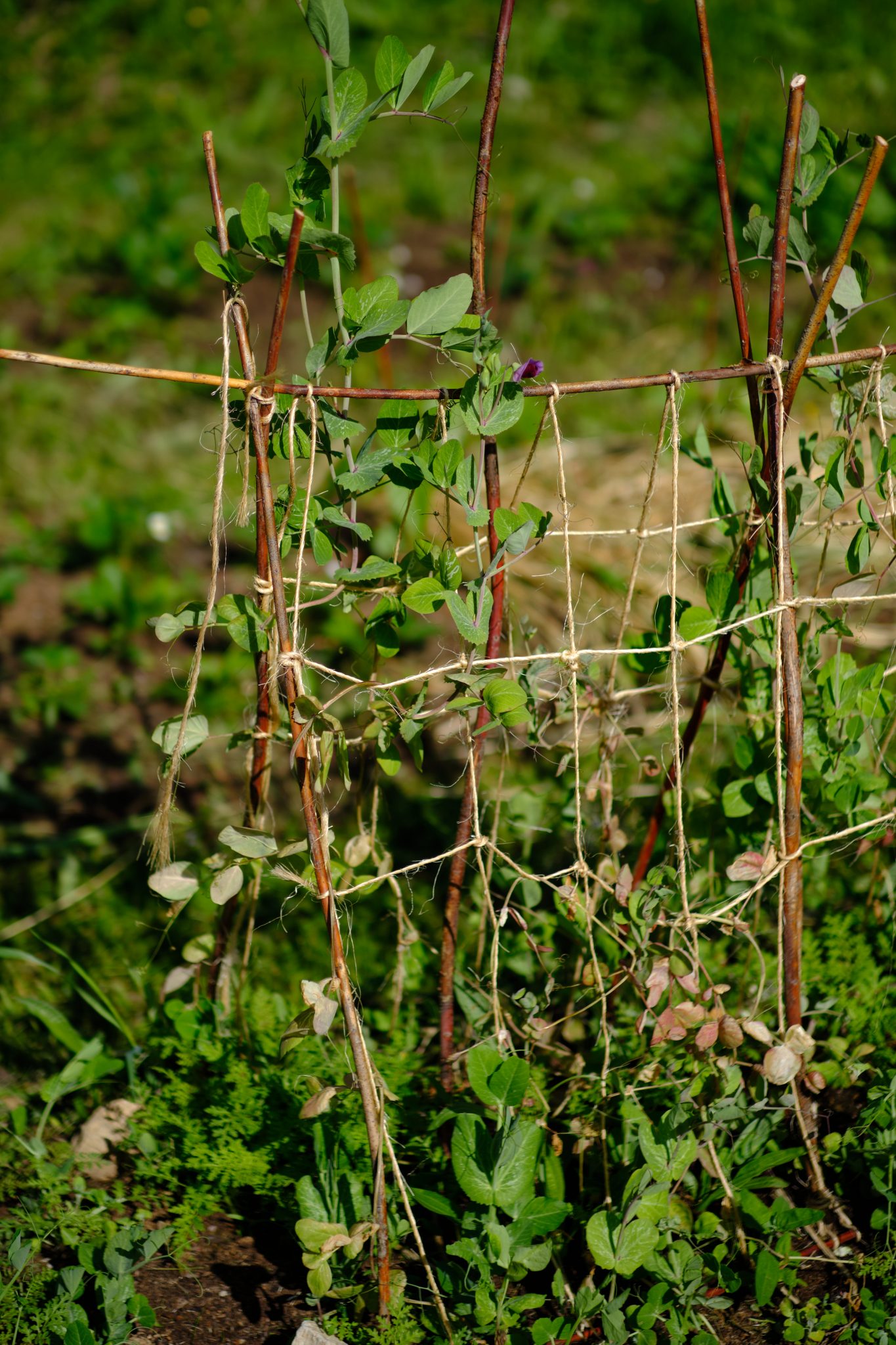
In 2020, we started creating a permaculture garden on 1,600 square meters of land. Here we plant over 100 old, open-pollinated fruit and vegetable varieties and care for healthy soil. This allows us to harvest fresh and use the produce without intermediate cooling, which enhances flavor and nutrients and saves energy. Many insects, birds, and small animals that no longer find enough food in monoculture fields and modern low-maintenance gardens survive thanks to our permaculture garden.
"Here we plant over 100 old, open-pollinated fruit and vegetable varieties and care for healthy soil."
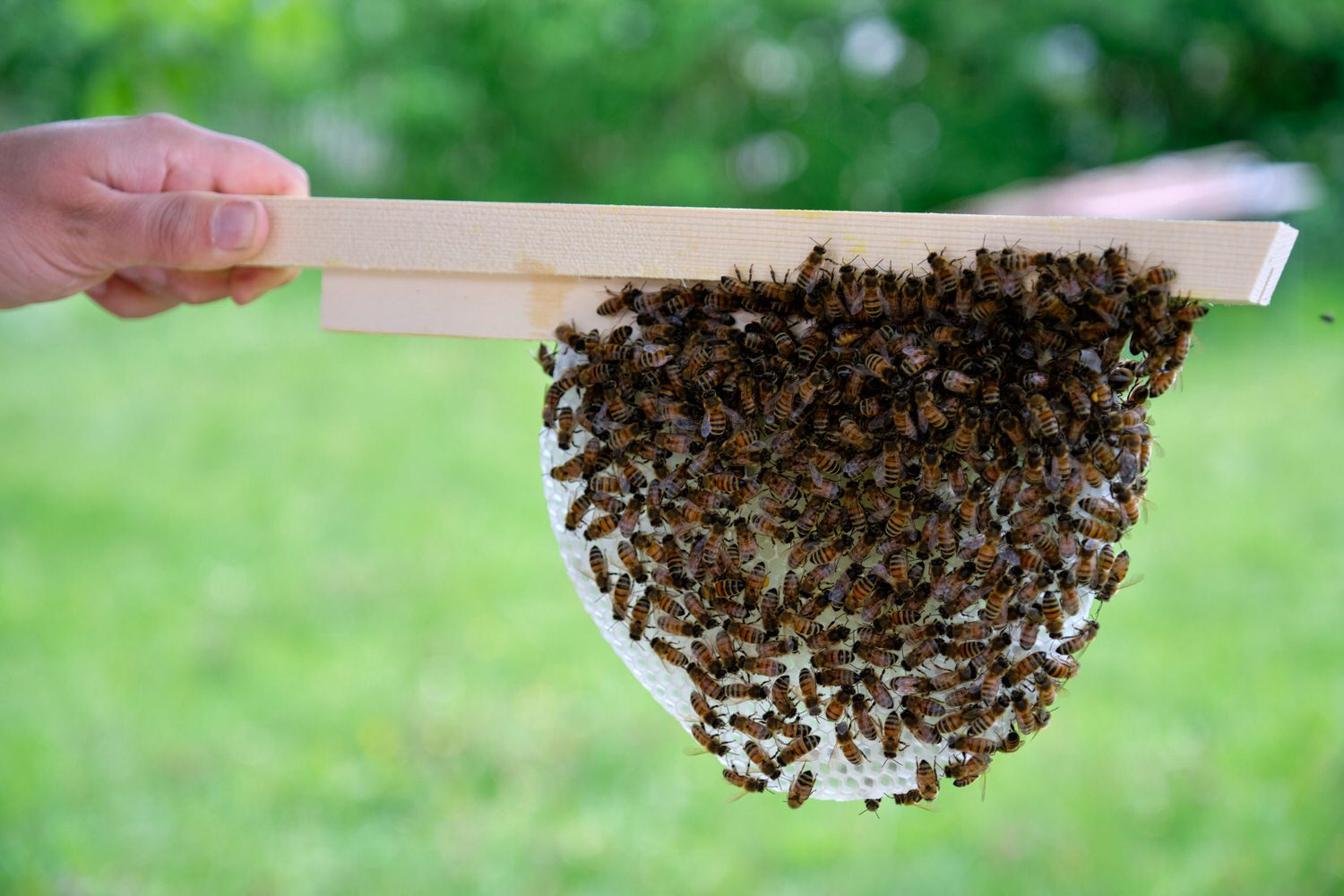
Bees are dying out, which threatens nature as a whole and puts our food supply at risk. Without bees, there is hardly any food. That’s why our gardens are full of flowers and trees that provide bees with food and where they are not exposed to any chemical toxins. We also keep four bee colonies on our organically certified land, which we will expand to five colonies by the end of 2020. We have chosen species-appropriate beekeeping, which goes a step beyond animal welfare standards. This means our bees can reproduce naturally, we let them swarm freely, and they are allowed to keep most of their honey.
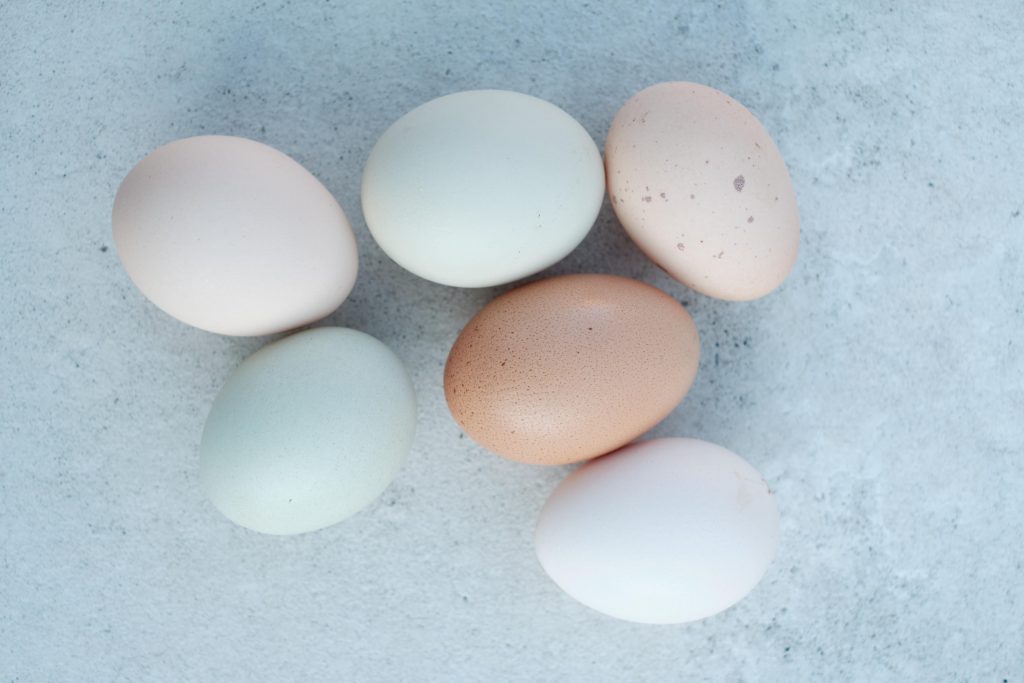
Our estate continues to be home to many chickens. With their scratching, pecking, and manure, they enrich the structure and nutrient content of our soils and support a natural balance of insects. By the end of 2021, we plan to cover our kitchen’s entire egg needs with our own hens, thereby contributing to species conservation by helping preserve more than ten old dual-purpose breeds. By supporting brother-rooster rearing, we produce a small amount of chicken meat in addition to eggs. Our chickens live a happy life, roam freely, and enjoy a varied diet from our herb gardens, the permaculture garden, leftovers from our kitchen, and high-quality organic feed. You can clearly see it in their health and the quality of their eggs.
"An orchard meadow is home to between 2,000 and 5,000 animal species, as well as rare grasses and meadow herbs."
On our expanded land, we also created an orchard meadow five years ago, where we grow 20 different varieties of pears, quinces, and apples. The number of orchard meadows in Germany has been declining sharply since the middle of the last century, meaning we have already lost around three quarters of all stocks. An orchard meadow is home to between 2,000 and 5,000 animal species, as well as rare grasses and meadow herbs. Insects, spiders, frogs, lizards, birds, and small mammals such as bats, weasels, and hares are therefore losing their habitats. With our orchard meadow, we want to make a small contribution to nature conservation and the preservation of this natural diversity.
Team
A fair and respectful way of working together is just as important to our sustainability philosophy as protecting natural resources. That’s why we do our best every day to offer good jobs on our estate and to promote a network of fair jobs with our suppliers.
"With us, every position is varied and flexible, which supports our employees’ well-being, creativity, and knowledge."
The complex value creation we run on our estate allows us not only to create a larger number of jobs, but also to make them more diverse. With us, every position is varied and flexible, which supports our employees’ well-being, creativity, and knowledge. For example, our chefs also practice cooking, baking, butchering, and gardening, while our administrative staff look after guests, organize events, design spaces, and raise chickens.
"Every small contribution and every small decision adds up to the bigger picture."
We pay our team well above the minimum wage, support them with retirement provision, and offer a shared lunch every day and a free selection of drinks. Our kitchen team currently supervises two apprentices. A dual study program in event or hospitality management is also possible with us. We also enable our team members to pursue the further training they want—whether through in-house training and company outings or external courses and language classes.
It’s no different for us than it is for you. Every small contribution and every small decision adds up to the bigger picture. The art of being able to do something often lies in wanting to do it.